Move Out Clearance Singapore: Every Question You Need Answered Before Handover Day
By Junk Express Team
Your key-return date is circled on the calendar. The agent has confirmed the handover slot. And the flat still has a wardrobe you can't dismantle, three bags of clothes nobody wants, a fridge that weighs more than you remember, and a stack of storage bins from a move two apartments ago.
The date doesn't care. It won't shift for you, for the town council's next bulk-item collection day, or for the Carousell buyer who keeps asking "is this still available?" without ever showing up.
In our 10+ years clearing Singapore homes and offices under exactly this kind of pressure, the pattern is always the same: the lease end or completion date is fixed, and everything else has to work backwards from it. Tenant returning an HDB flat. Condo owner handing back after selling. Family clearing a deceased relative's home before probate deadlines. Agent prepping a unit for viewings next weekend. The specific story changes. The constraint doesn't.
This page maps every version of that problem and connects you to the deeper guides we've written for each one.
What Has to Be Gone Before Handover?
More than most people expect. A clean handover means the unit is returned in the condition described in your tenancy agreement or sale terms, and that almost always means empty — not "mostly empty," not "just a few things the next tenant might want."
The scope typically includes:
- All furniture, including built-in shelving or platform beds the tenant installed
- Appliances not originally provided by the landlord (or not listed in the inventory)
- Curtain rods, wall-mounted TVs, brackets, and the raw plugs that held them
- Accumulated household items: kitchenware, linen, shoes, bags of miscellaneous belongings
- Balcony items — drying racks, plant pots, outdoor chairs
If renovation was done during the tenancy, reinstatement may also be required: removing hacked walls, restoring original flooring, that sort of thing. That's a contractor conversation, not a junk-removal one, but the debris from reinstatement work is squarely in our lane.
We've written a full breakdown of what tenants are typically expected to clear before returning a unit, including the grey areas around fixtures and fittings. And if you're already past the planning stage and into the "I need someone here this week" stage, our guide to last-minute move-out clearance covers how we handle compressed timelines.
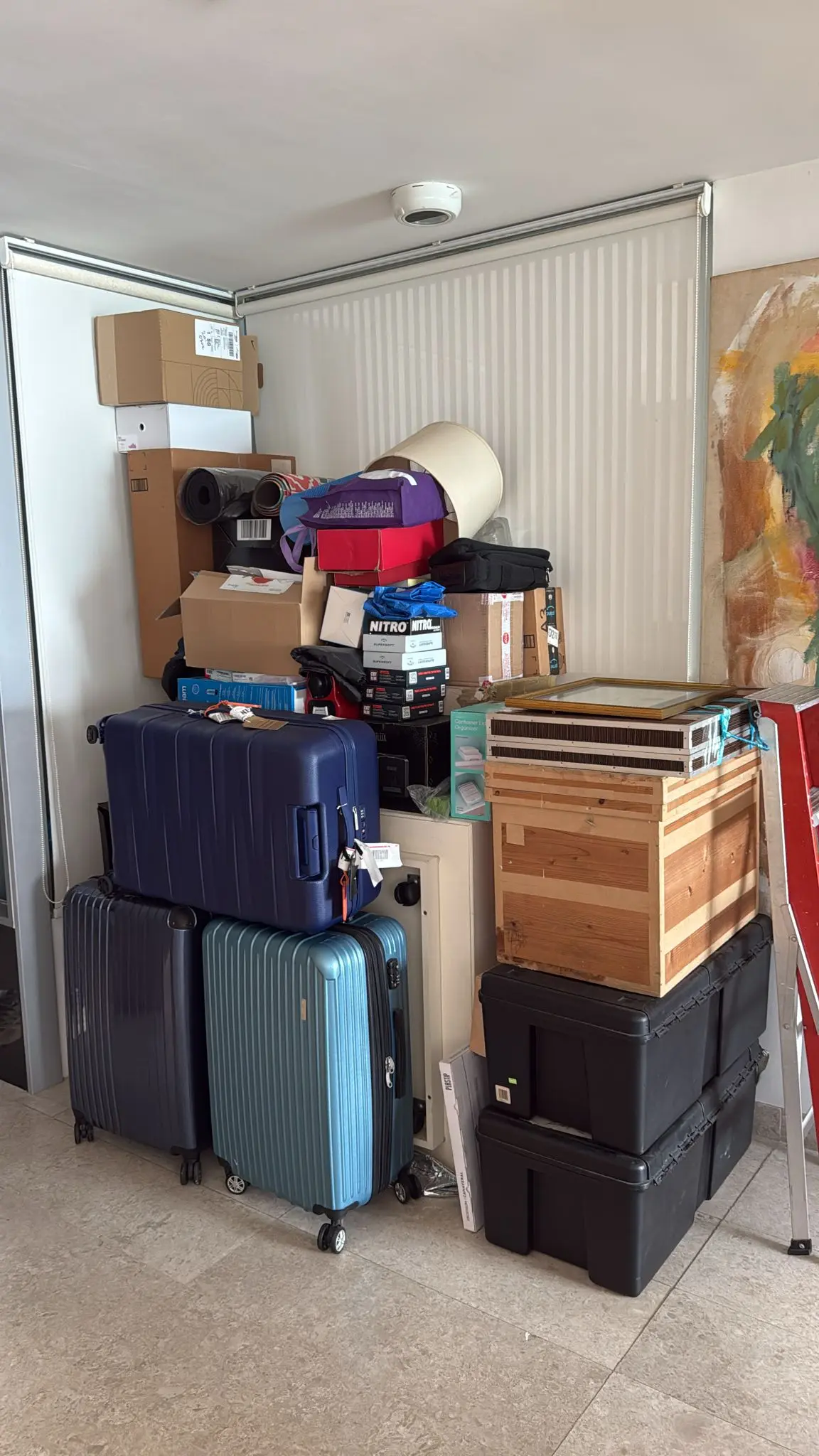
Storage bins, half-packed suitcases, loose household items — this is what the last 48 hours before handover usually looks like. The big furniture gets planned for. It's the mid-sized clutter that catches people off guard.
What If the Handover Is Tomorrow?
Then you're not browsing. You're looking for someone who can show up, load, and leave before the agent arrives.
We handle urgent clearances regularly, subject to crew and vehicle availability. Urgent doesn't mean chaotic — it means the timeline is compressed, so the quoting and coordination happen faster. You send photos over WhatsApp, we confirm what we can do and when, and the crew arrives with the right vehicle for the volume.
A few things that make last-minute jobs go smoother:
Know your building's lift situation. If you're in a condo or commercial building, check whether the MCST requires a lift booking or lift padding for furniture removal. That's arranged by you or your agent with building management — not by us — and forgetting it can cost you the time slot. HDB flats don't have service lifts, so the logistics there revolve around standard passenger lifts and corridor access.
Group everything in one area if you can. Even just dragging bags and loose items to the living room saves the crew time, which keeps the job within the window you have.
Be realistic about what "everything" means. Open every cupboard, check the storeroom, look under the beds. The items people forget are never the sofa — they're the contents of the kitchen cabinets and the boxes on top of the wardrobe.
Our last-minute move-out junk removal checklist walks through exactly this, room by room. Worth a five-minute read even if your handover is close.
Surcharges may apply for after-hours, Sundays, or public holiday jobs — that's confirmed at the quoting stage so there are no surprises.
Whose Responsibility Is Leftover Furniture — Tenant or Landlord?
This depends entirely on what your tenancy agreement says, and agreements vary widely.
The general principle in most Singapore residential tenancies: the tenant is expected to return the unit in the condition it was received, minus fair wear and tear. Items the tenant brought in — furniture, appliances, shelving — are the tenant's responsibility to remove. Items that were part of the landlord's inventory stay.
Where it gets complicated:
- The tenant installed an air-conditioning unit. Is that now a fixture? Some agreements say yes, some say remove it.
- The landlord provided a washing machine that broke two years ago and the tenant replaced it. Who owns the replacement?
- A platform bed was built during the tenancy. The landlord wants it removed. The tenant argues it adds value.
None of these have a universal answer. They're resolved by the specific wording in your lease, and sometimes by negotiation between the parties.
What we can tell you from experience: don't leave the negotiation until handover day. Agree in writing — even a WhatsApp message — on what stays and what goes, ideally two weeks before key return. Then arrange clearance for the "goes" list. We've seen too many handovers stall because tenant and landlord assumed different things about a wardrobe or a set of kitchen cabinets.
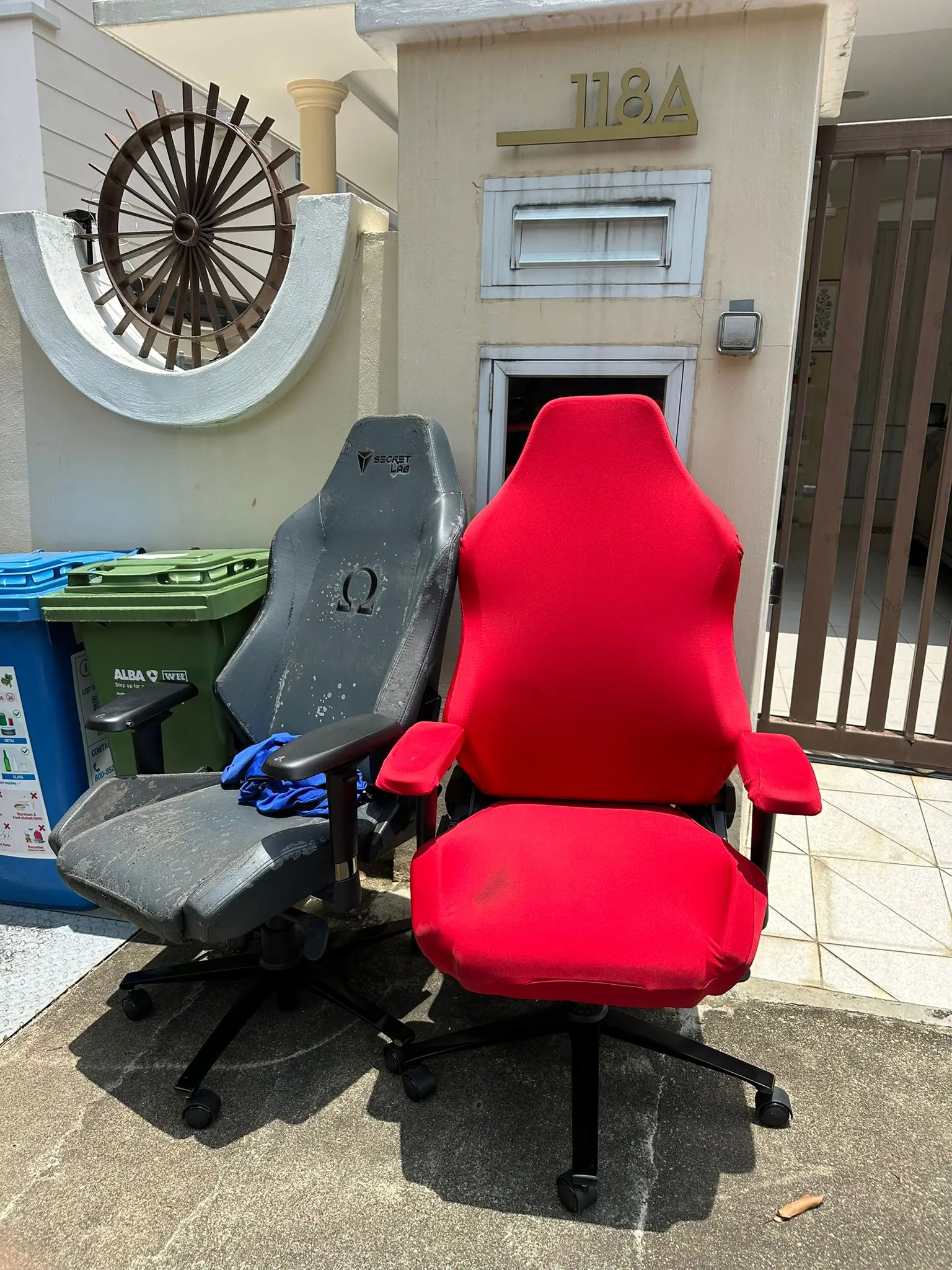
Gaming chairs, office chairs, dining chairs — seating is one of the most common "I thought the landlord wanted it" items. If it's not on the inventory, assume you're taking it with you or arranging disposal.
What Happens If Junk Is Still in the Unit on the Day?
Nothing good.
If you're a tenant, leftover items on handover day typically mean the landlord arranges removal and deducts the cost from your security deposit. You lose control of the cost and the process. Some landlords are reasonable about it. Others treat it as a breach and claim well beyond the actual disposal expense.
If you're a landlord receiving a unit back with items still inside, you're now responsible for clearing it before your next tenant moves in — or before the unit sits empty and accruing cost.
Either way, the leverage shifts to whoever doesn't have the deadline. And if you're reading this page, that's probably not you.
We've written a specific guide for what to do when junk is still in the unit on handover day, including how to get a fast quote and what information to have ready. The short version: send us photos on WhatsApp, confirm the address and access details, and we'll tell you what's possible within your remaining window.
How Does an En-Bloc Timeline Work?
En-bloc clearance is move-out clearance with a legal deadline and a building full of neighbours all doing the same thing at roughly the same time.
Once the Strata Titles Board or High Court approves the collective sale, owners receive a fixed vacant-possession date. That date is contractual. Miss it and you're potentially liable for penalties to the purchasing developer.
The practical challenge: an entire block or estate is emptying simultaneously. Lift access becomes contested. Corridors fill up with furniture waiting for collection. The rubbish chute area turns into a bottleneck. And if you wait until the final week, every disposal service in Singapore is fielding calls from your neighbours.
In our experience clearing units during en-bloc exercises, the owners who come through cleanly are the ones who start early. Not early by a day or two — early by weeks. Sort and dispose in phases: personal items and clothing first, then small furniture, then the large pieces and appliances last.
Our en-bloc sale clearance timeline guide lays out a week-by-week approach. The key takeaway: treat the vacant-possession date as the wall, and work backwards from it with margin built in. Because on the final day, the lift will be booked solid and the crew you wanted will be three floors up clearing someone else's unit.
What About Clearing a Home After a Death?
This is a different kind of clearance. The deadline may come from probate timelines, lease obligations, or family decisions about the property, but the emotional weight is unlike any other job.
We approach estate clearances with the understanding that every item in the home carried meaning to someone. The family may not have had time to sort through everything. Decisions about what to keep, what to pass on to relatives, and what to dispose of can't always be made quickly, and shouldn't be rushed.
What we can do is handle the physical side once those decisions are made. A common approach: the family does a first pass to remove personal documents, photographs, jewellery, and sentimental items. Then we clear the remainder — furniture, appliances, clothing, household goods — in a single visit or across multiple sessions if the volume is large or the family needs more time between rounds.
We've put together a sensitive guide to estate clearance after bereavement that covers the practical steps without rushing the emotional ones. If you're an executor or next-of-kin facing this situation, it's worth reading before you start coordinating with anyone.

Bagged belongings ready for collection. In estate clearances, we often see exactly this: the family has sorted what they can, and the rest needs to go. One trip, handled respectfully.
Can You Clear a Unit Before a Viewing?
Yes, and this is more common than people expect. An agent calls because there's a viewing in two days, the tenant has moved out but left behind a sofa, a dining set, and assorted kitchen items. Or the owner is overseas and can't physically be there to clear the remaining pieces.
The goal is different from a full move-out clearance. You're not returning the unit — you're making it presentable. That usually means removing the obvious clutter and bulky items so prospective buyers or tenants see space, not someone else's leftover life.
For condos and commercial properties, the owner or agent still needs to arrange any required MCST permissions and lift bookings ahead of our arrival. We can't liaise with building management on your behalf, but we can work within whatever access window has been booked.
Our guide to short-notice condo showing declutter and disposal covers the specifics, including what to prioritise removing when you can't clear everything.
What About Downsizing Rather Than Moving Out?
Sometimes the move isn't to a new place of equivalent size. It's to a smaller flat — a 3-room after years in a 5-room, or a studio after the kids have left. The destination simply cannot hold everything the origin contains.
Downsizing clearance sits between a full move-out and a selective declutter. You're keeping the home's worth of things that fit the new space, and disposing of everything that doesn't. That might mean a king-size bed frame that won't fit through the new bedroom door, a second wardrobe, a dining table for eight when the new flat seats four.
The sorting is yours to do — nobody else can decide what stays. But once the "dispose" pile is identified, the physical removal is ours. We've handled downsizing jobs where the client had already stacked everything in the living room, and jobs where we walked through room by room with them pointing out pieces. Both work.
Our guide to downsizing disposal helps with the decision-making side. And if you're dealing with a commercial space rather than a home — say, a retail tenant moving to a smaller unit and needing to clear out the old fit-out — our retail fit-out handover page covers that scenario.
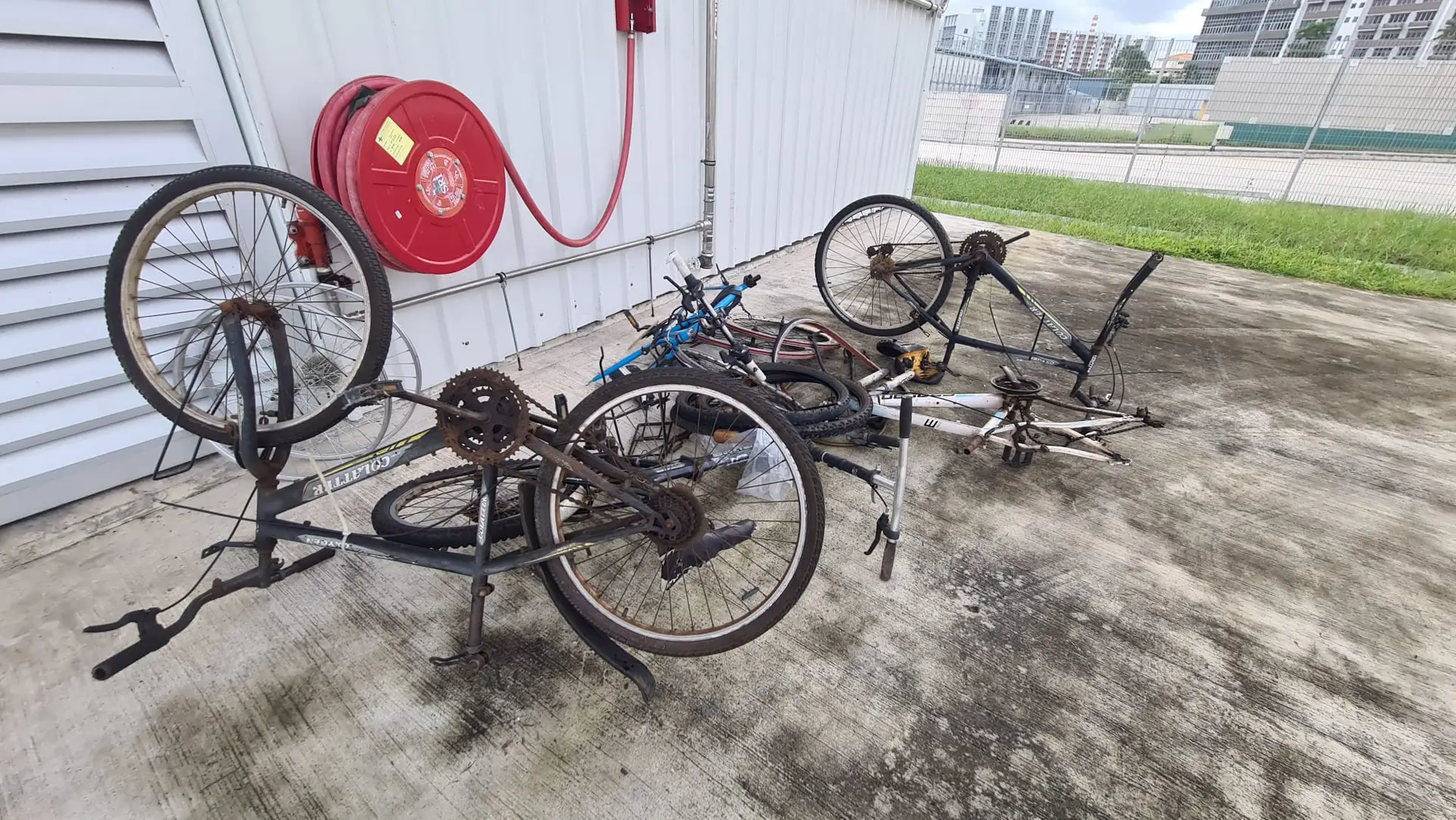
Bicycles are a classic downsizing casualty. Three bikes that fit in the old HDB corridor won't fit in the new one. They're bulky, awkward to transport, and town councils require them dismantled before collection — which is exactly the kind of task most people don't have tools or time for.
Move-Out Clearance FAQs
Do you buy or pay for any of the items you collect? No. We are a disposal service, not a buyback or trade-in operation. There is no cash, credit, or compensation for items we remove. Everything collected is routed through proper recycling channels or responsible disposal — we recycle metals and paper where possible — but the service is clearance, not purchase.
Can you handle the clearance if I've already left Singapore? Yes, provided someone can grant access to the unit on the day — a friend, agent, or family member with the keys. We need photos of the items for quoting, which can be sent via WhatsApp from anywhere. The person on-site just needs to let the crew in and confirm the scope.
What if I'm not sure exactly what needs to go yet? Send photos of what you know about, and we'll quote on that. If the scope changes once you've finished sorting, we adjust. It's easier to add items to an existing booking than to arrange a second trip at the last minute, so err on the side of including more rather than less in your initial photos.
Do you clear renovation debris as well as furniture and household items? Yes. Concrete, tiles, drywall, timber framing — if your reinstatement contractor has left debris behind or you need it removed as part of the handover, we handle it. Just let us know the approximate volume and type so we bring the right vehicle. Renovation waste is heavier than household items and affects how we plan the load.
Are there extra charges for weekend or after-hours clearance? Surcharges may apply for after-hours jobs, Sundays, and public holidays. Walk-up buildings and jobs requiring stair or ramp access also carry additional charges. All of this is confirmed during the quoting conversation so you know the full cost before booking.
Related Guides
- Last-Minute Move-Out Clearance — when the timeline is days, not weeks
- En-Bloc Sale Clearance Timeline Guide — phased approach to collective-sale deadlines
- Estate Clearance After Bereavement — practical steps handled with care
Your handover date is fixed. The clearance doesn't have to be stressful.
Send photos of what needs to go via WhatsApp at 9730 4047 and we'll come back with a quote — typically within the day. Include your handover date so we can confirm availability against your timeline.