Estate Clearance After Bereavement: A Practical Guide for Singapore Families
By Junk Express Team
No One Prepares You for This Part
The legal paperwork has a timeline. The funeral arrangements have a structure. But walking into your late parent's flat — three bedrooms of accumulated life, every drawer full, every shelf layered — and realising someone has to sort through all of it?
Most last-minute clear-outs come down to slot availability. residential team works backwards from your deadline — share it in the chat and we'll tell you what's feasible today.
That part, nobody warns you about.
In our 10+ years clearing Singapore homes after a family bereavement, we've seen the same pattern: families who managed the immediate grief with grace, only to feel completely overwhelmed when they finally unlock the door and face the sheer volume of belongings. Landed properties with decades of storage. Five-room HDB flats where every cupboard tells a story. The task feels impossible — because it's not just logistics. It's memory.
This guide is for you if you're at that stage. We'll walk through the practical side: how to protect what matters, how to approach the clearance itself, and what the logistics look like in Singapore's specific housing context.
Why Timing Matters — But Rushing Doesn't Help
There's often external pressure. A tenancy ending. A property sale completing. Probate requirements that need the estate settled. Sometimes siblings overseas who can only be present for a narrow window.
All real. All valid.
But we've learned something in a decade of doing this work: families who take even one or two focused sessions to sort sentimental items before the clearance crew arrives almost never have regrets. Families who rush the entire process in a single weekend sometimes do.
If your timeline allows it — even 48 hours of pre-sorting — take it.
Before the Crew Arrives: Sorting What Stays
Documents, Photos, and Small Valuables
Start here. It's the category most likely to be accidentally discarded and most impossible to replace.
Go room by room with a single box or bag designated "keep — review later." You don't need to make final decisions now. You just need to pull these items out of the general mass:
- Identity documents — IC, passport, birth certificates, marriage certificates
- Financial records — CPF statements, insurance policies, bank correspondence (you may need these for probate)
- Photographs and negatives — especially loose ones tucked into books or drawers
- Jewellery and small heirlooms — check coat pockets, bedside drawers, the back of wardrobes
- Handwritten letters or diaries
We've cleared homes where family photos were tucked inside old newspapers stacked for recycling. A quick pass through paper piles before disposal day saves heartache.
Furniture and Larger Items with Sentimental Value
That dining table where every Chinese New Year reunion happened. The rattan chair your grandmother sat in every evening. If a family member wants it, flag it clearly — a piece of masking tape with "KEEP" written on it works fine.
Everything not flagged, we treat as disposal.
The Clearance Itself: Room by Room
How We Approach a Full-Home Estate Clearance
A typical deceased estate isn't like clearing a single sofa after a renovation. It's an entire household — sometimes 30, 40, 50 years of accumulated belongings across every room.
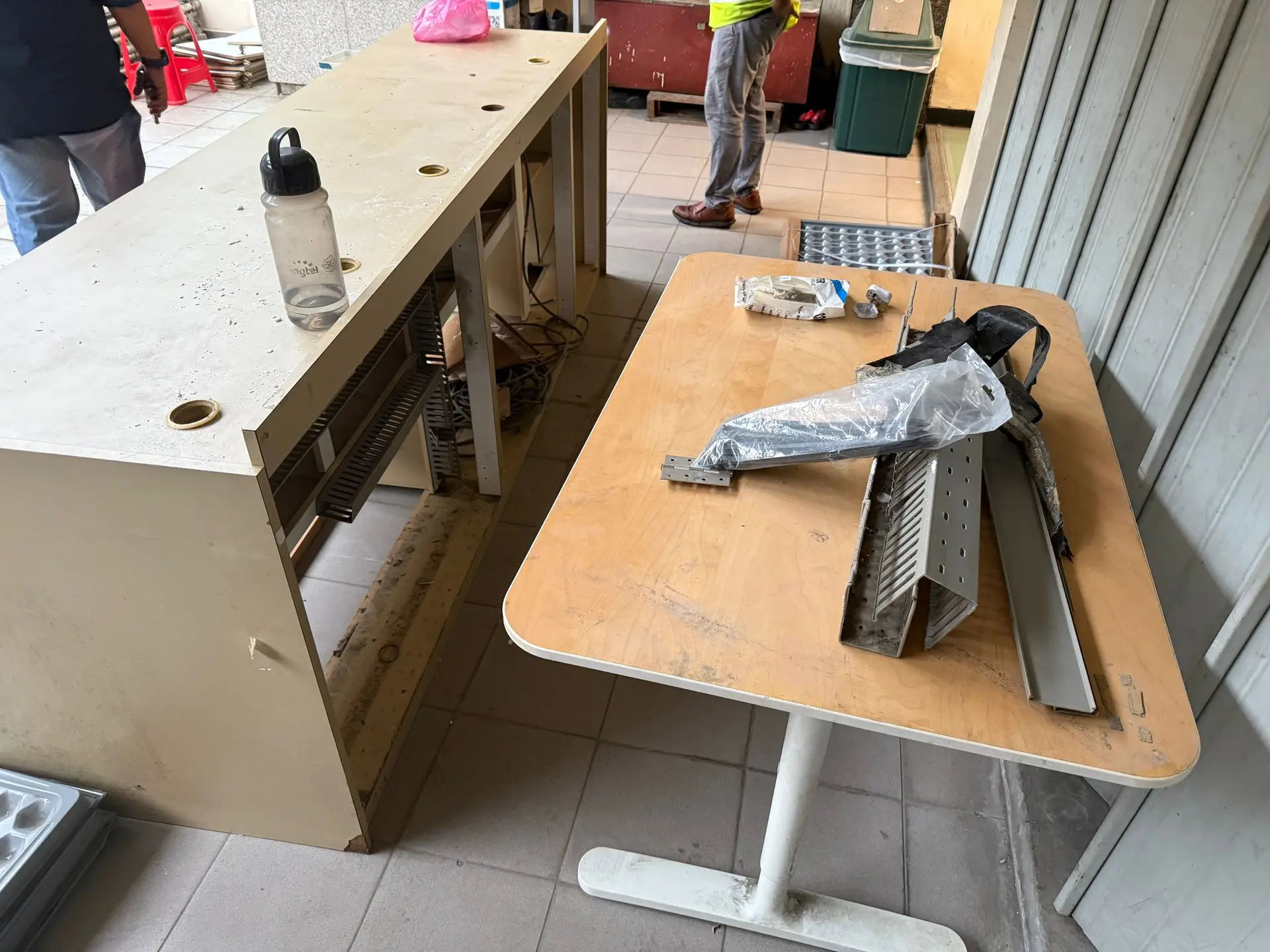
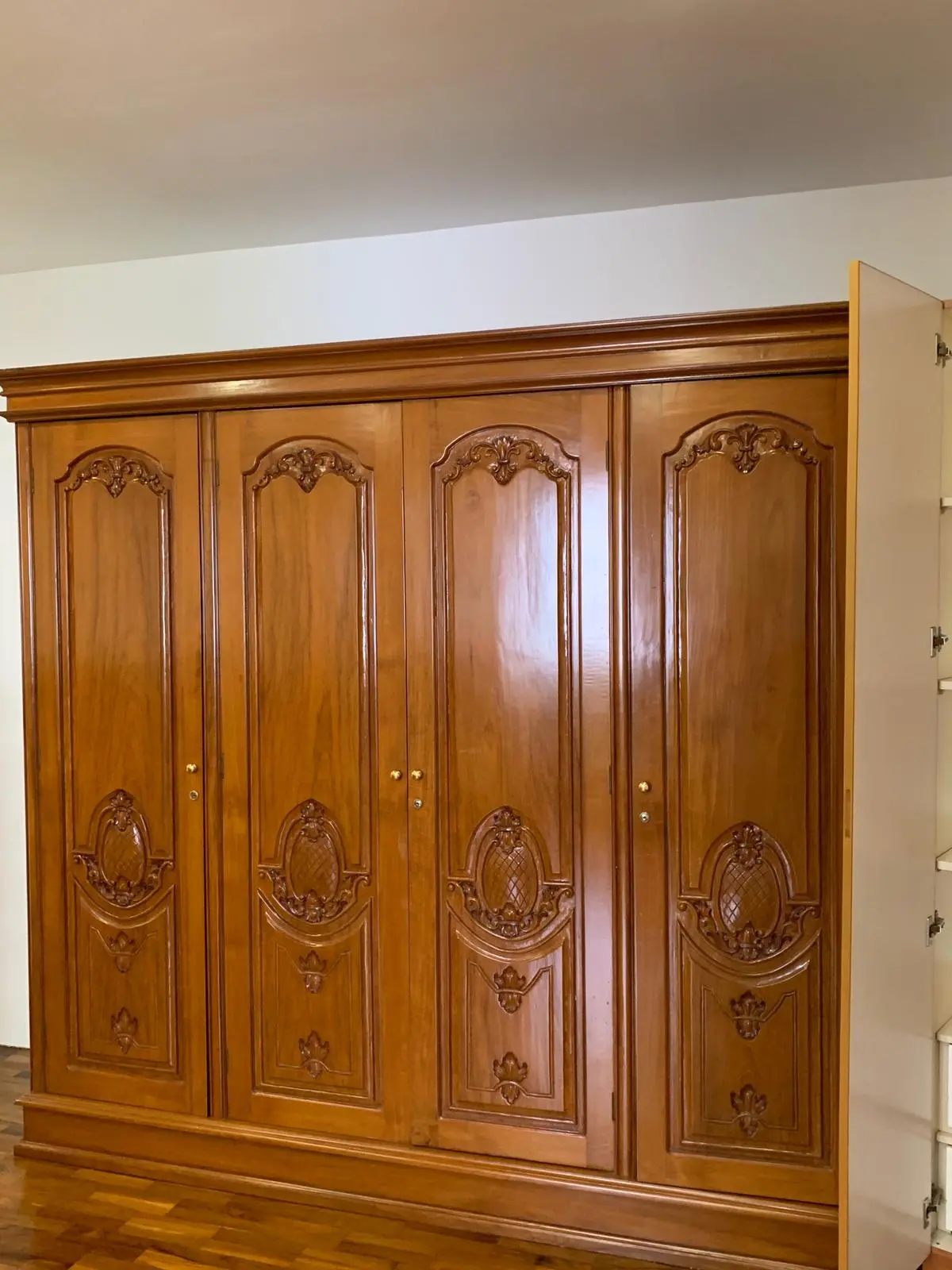
We work systematically. Room by room. Heaviest and most awkward items first (wardrobes, bed frames, appliances), then medium items (shelving, tables, chairs), then the accumulated smaller goods — boxes, bags, kitchenware, clothing.
For a three-bedroom flat, expect a crew of 2–4 depending on volume and access constraints. Larger landed properties or heavily accumulated homes may need multiple trips.
What Happens to the Items
Usable furniture and goods get routed to secondhand channels where possible. Metals and paper go to recycling. Residual waste moves through licensed intermediaries for proper disposal. We don't send everything to landfill — but we're honest that not everything can be saved, especially after decades of storage in Singapore's humidity.
HDB vs Condo vs Landed: Logistics Differ
HDB Flats
Most estate clearances we handle are HDB. The key logistics:
- No service lift. We use the standard passenger lift, which means managing item dimensions carefully. Larger wardrobes or bed frames may need partial dismantling in the unit before they'll fit.
- Corridor and void deck staging. We keep common areas clear and work quickly to avoid inconveniencing neighbours.
- Town council bulky-item collection exists as an alternative — but requires you to dismantle items yourself and wait for scheduled collection days. For a full-home clearance, it's rarely practical.
Condos and Private Apartments
- Service lift and loading bay access must be booked by the owner or tenant through building management. We cannot do this on your behalf — every MCST has different rules and booking windows.
- Lift padding, where required by the MCST, is provided and arranged by building management. Confirm this when you book your access slot.
- Allow lead time. Some condos only permit disposal works on weekdays during specific hours.
Landed Properties
Often the largest jobs by volume, but with the simplest access — no lift constraints, direct vehicle loading from the driveway or road. The challenge is usually sheer accumulation: attics, storerooms, gardens with outdoor furniture, sometimes a garage full of decades-old belongings.
Common Mistakes We've Seen Over 10+ Years
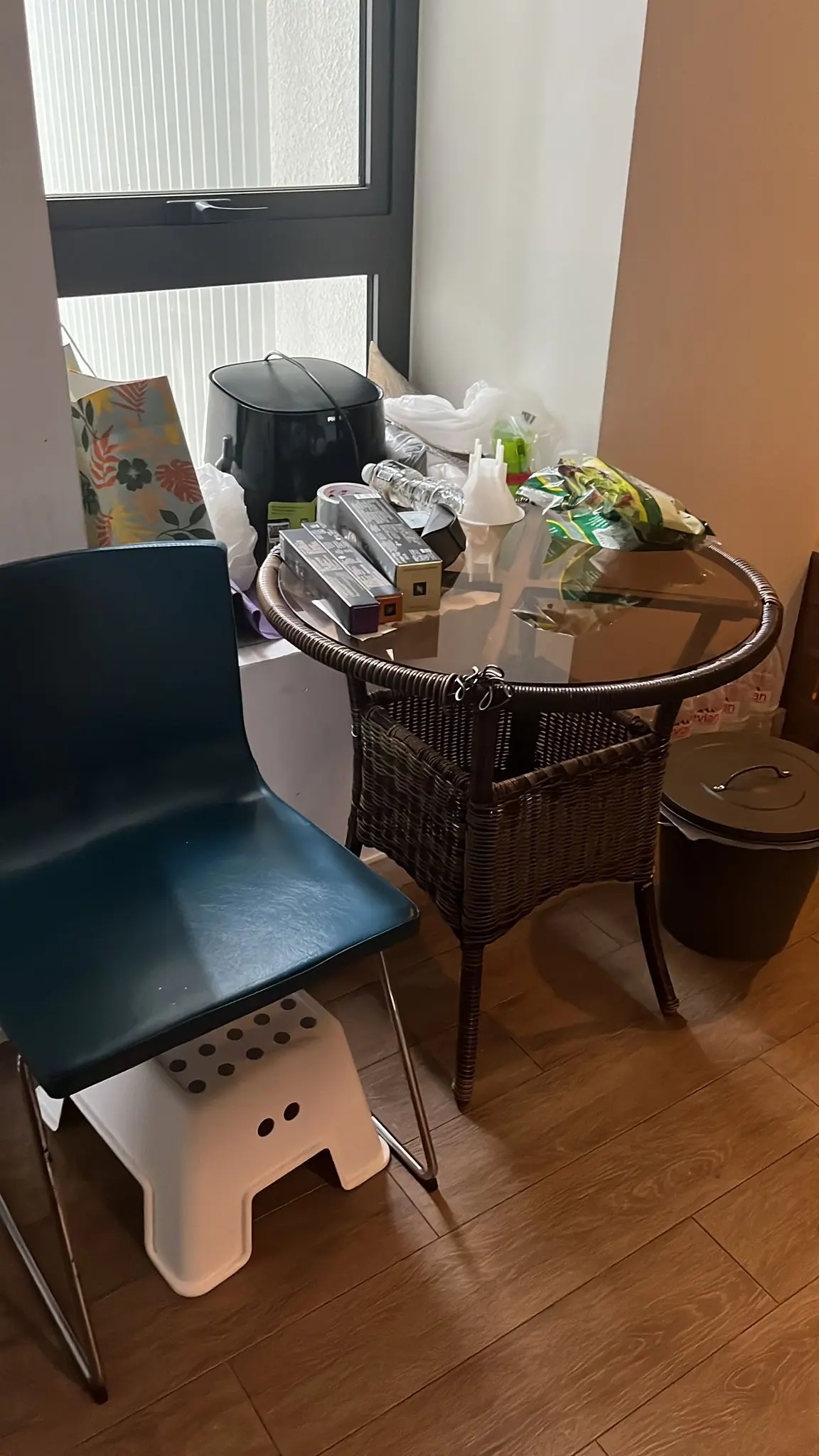
Underestimating volume. A "not that much stuff" estimate from a quick visit often doubles once you open every cupboard, check the storeroom, and pull items from under beds. Send us photos of every room — including storage areas — for an accurate quote.
Forgetting the kitchen. Kitchens in long-occupied homes are dense. Crockery, appliances, utensils, pantry goods, cleaning supplies under the sink. It all adds up.
Not checking with other family members first. We've had jobs paused mid-clearance because a sibling arrived and wanted to keep items already loaded. Sort family decisions before the crew arrives. It saves time, cost, and conflict.
Assuming the town council will handle it. For a single bulky item, maybe. For an entire household? Town council collection requires self-dismantling, scheduled days, and has limits on volume. It's not designed for full estate clearance.
Mini-FAQ
Q: How soon after the death can we arrange clearance? Whenever the family is ready and has legal access to the property. Some families need weeks; others need it done within days due to tenancy deadlines. We work to your timeline, subject to availability.
Q: Can we be present during the clearance? Absolutely. Many families prefer to be on-site, especially for the first room, to catch anything that should be kept. Others hand us the keys and let us work. Both are fine.
Q: Are there extra charges for large estates or after-hours work? Surcharges may apply for after-hours jobs, Sunday or public holiday requests, walk-up buildings, or stair/ramp access. Everything is confirmed at the quote stage — no surprises on the day.
When You're Ready
There's no pressure here. Take the time you need to sort what matters. When the practical side needs handling, we're a WhatsApp message away — and if probate or a tenancy deadline means it has to be cleared quickly, our same-day clearance service can move at the pace your situation demands.
Send us photos of the rooms — every angle, every cupboard open — and we'll provide a free quote within the day.
WhatsApp us at 9730 4047 — or call the same number if you prefer to talk it through.