Private Apartment Disposal vs HDB: Why the Rules Are Completely Different
By Junk Express Team
You've just moved from an HDB flat in Clementi to a private condo in the same neighbourhood. The old queen-size mattress won't fit the new master bedroom. Simple — just get it removed, right?
If your handover is this week and the office still has furniture in it, commercial clearance service is what you want — share access window and we'll commit to a finish time.
Then you discover: no void deck staging area. No town council collection slot. The management office wants 48 hours' notice, a service lift booking, and lift padding arranged before anything moves through the lobby. Welcome to private property disposal.
If you've recently crossed the HDB-to-condo line (or the reverse), the disposal process you knew doesn't apply anymore. The rules, costs, and lead times change completely depending on whether your building answers to a town council or an MCST.
Why This Catches People Off Guard
In our 10+ years clearing homes across every Singapore district, we've seen the same pattern repeatedly: a resident assumes disposal works the same way it did at their last address. It doesn't.
HDB and private condos operate under entirely different management structures, with different waste infrastructure, different approval processes, and different tolerance for how and when bulky items move through common areas. Get it wrong and you're looking at fines from your MCST, items rejected at the void deck, or a disposal crew standing idle because nobody booked the service lift.
HDB Disposal: Free but Limited
The town council option. Every HDB estate has a town council that offers scheduled bulky-item collection — typically once or twice a week. It's free. But here's what "free" actually means:
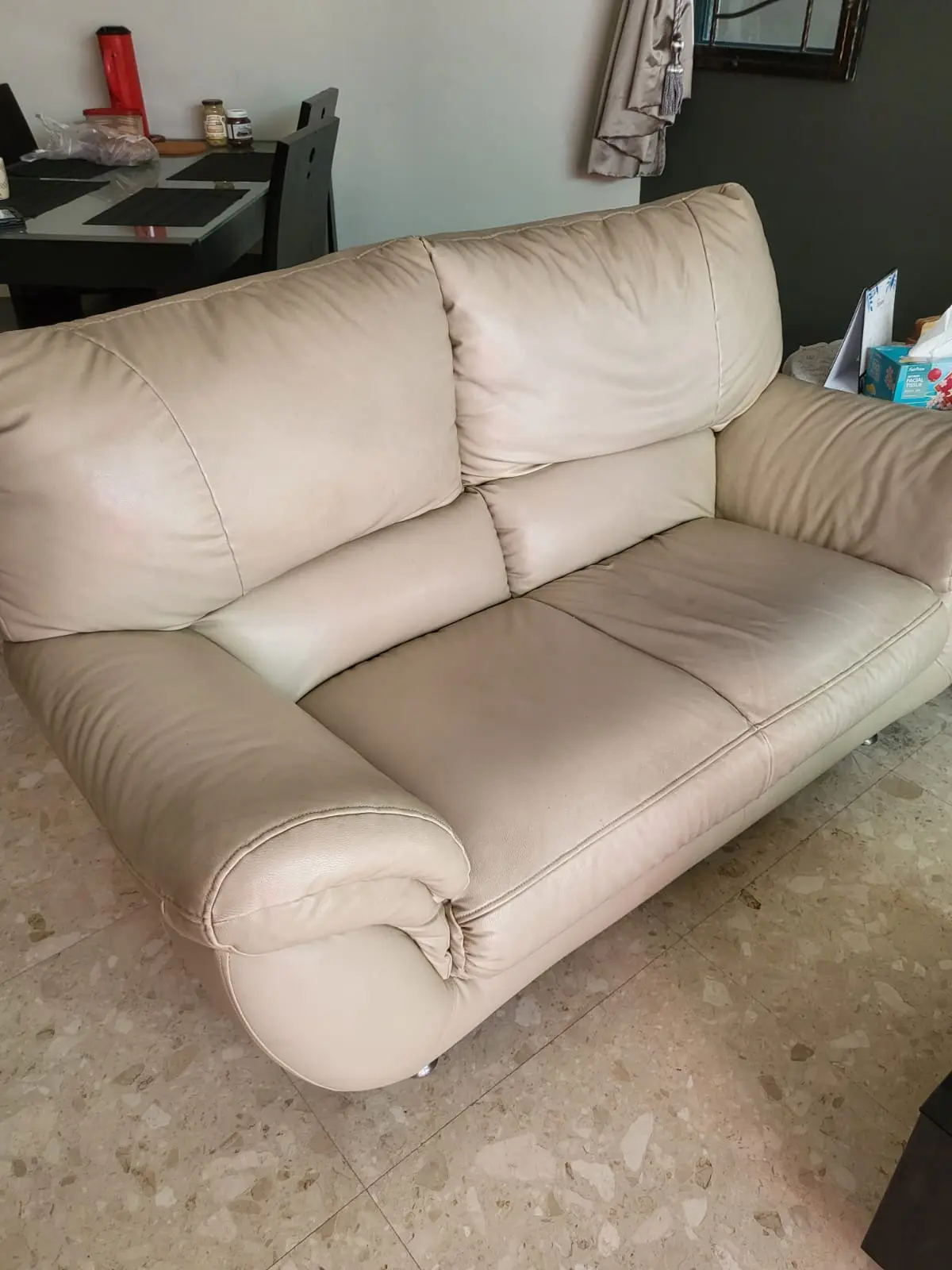
- You dismantle first. Town councils require items to be broken down before collection. That three-seater sofa? You're taking it apart yourself, or it stays where it is.
- You carry it down yourself. HDB blocks use standard passenger lifts. There's no dedicated service lift. If your wardrobe doesn't fit in the lift, you're manoeuvring it down the stairwell.
- Staging at the void deck. Items go to the designated bulk collection point — usually near the bin centre — on the correct day. Miss the window and your stuff sits there until next collection, potentially earning a complaint from neighbours or the TC.
- No flexibility on timing. You can't schedule a pickup for Tuesday at 3pm because your renovation contractor finishes at 2pm. You get the collection day you're given.
For a single chair or a broken shelf, this works. For a full post-renovation clearout — mattresses, old kitchen cabinets, a defunct washing machine — the self-dismantling and carrying requirement makes "free" feel expensive in time and effort.
Condo and Private Apartment Disposal: No Free Option, More Rules
Private developments don't have town council collection. Full stop. Your MCST manages the estate, and their priority is protecting common property — not helping you get rid of a sofa.
Here's what private property disposal actually involves:
MCST approval is on you. Before any removal crew arrives, the owner or tenant must get permission from building management. Rules differ per development. Some require 24 hours' notice. Some want a written form. Some restrict disposal movements to specific hours — often early morning or late evening to avoid peak lift usage.
Service lift booking is on you. Unlike HDB, condos typically have a dedicated service lift for moving bulky items. You need to book it through management. Show up without a booking and the security post will turn the crew away at the guardhouse.
Lift padding — arranged through your management. Where the MCST requires protective padding in the service lift, it's the building management that provides and installs it. You arrange this directly with them ahead of the job. Don't assume it'll just be there.
No void deck, no staging. There's no equivalent of the HDB bulk collection point. Items typically move from your unit directly to the vehicle at the loading bay — which also needs to be available. Some developments restrict loading bay access to 30-minute or one-hour windows.
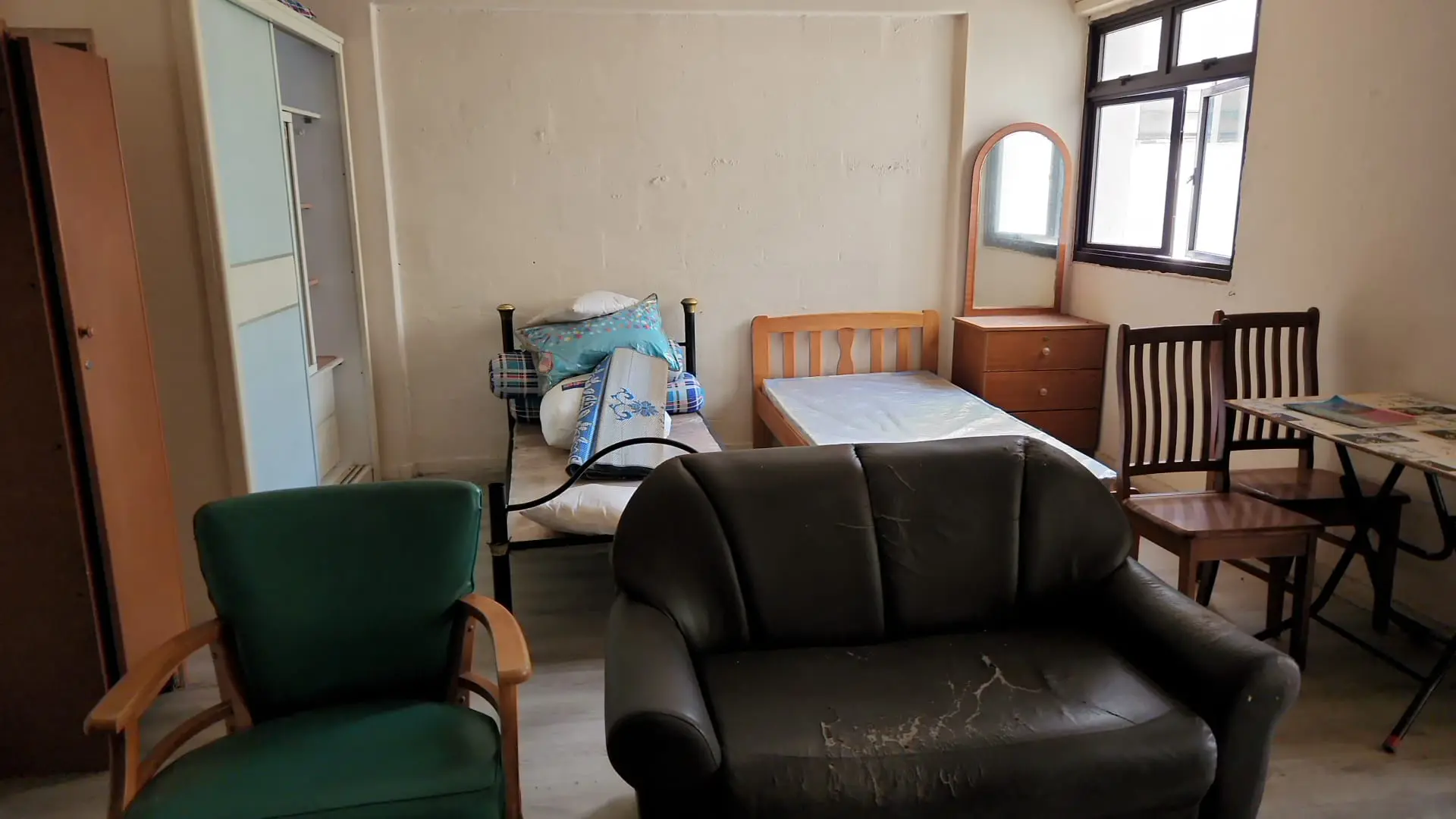
Dimensions matter more. That L-shaped sectional sofa might clear an HDB corridor but won't make the turn into a condo service lift. We've handled jobs where a sofa needed partial disassembly on-site just to fit through the service lift doors. Knowing your item dimensions and your building's lift dimensions before booking saves everyone time.
How These Differences Affect Your Cost and Planning
| Factor | HDB | Private Condo |
|---|---|---|
| Free collection available? | Yes (town council, with conditions) | No |
| Who arranges building access? | Not needed — common areas are open | Owner/tenant must get MCST approval |
| Service lift? | No — standard passenger lift only | Yes, but must be booked by resident |
| Lift padding? | Not applicable | Building management provides if required |
| Staging area? | Void deck / bin centre | Loading bay (time-restricted) |
| Timing flexibility? | Fixed TC schedule | Depends on management's approved windows |
| Dismantling required? | Yes, for TC collection | Not if using a professional removal service |
The bottom line: HDB disposal is cheaper if you're willing to do the physical work and wait for the schedule. Condo disposal requires more coordination upfront but gives you a cleaner, faster execution once everything's arranged.
Common Mistakes We See After 10+ Years
Condo residents who don't check their MCST rules first. Every development is different. We've arrived at buildings where the resident assumed any day was fine — only to find out the management restricts removals to weekday mornings only. That's a wasted trip for everyone.
HDB residents who underestimate the carry-down. A king-size mattress in a passenger lift is tight. A king-size mattress down four flights of stairs because the lift is too small? That's a two-person job minimum, and surcharges apply for stair access.
Not measuring before booking. Especially in condos — if your item won't fit the service lift, we need to know in advance so we can plan for disassembly or alternative routing.
Mini-FAQ
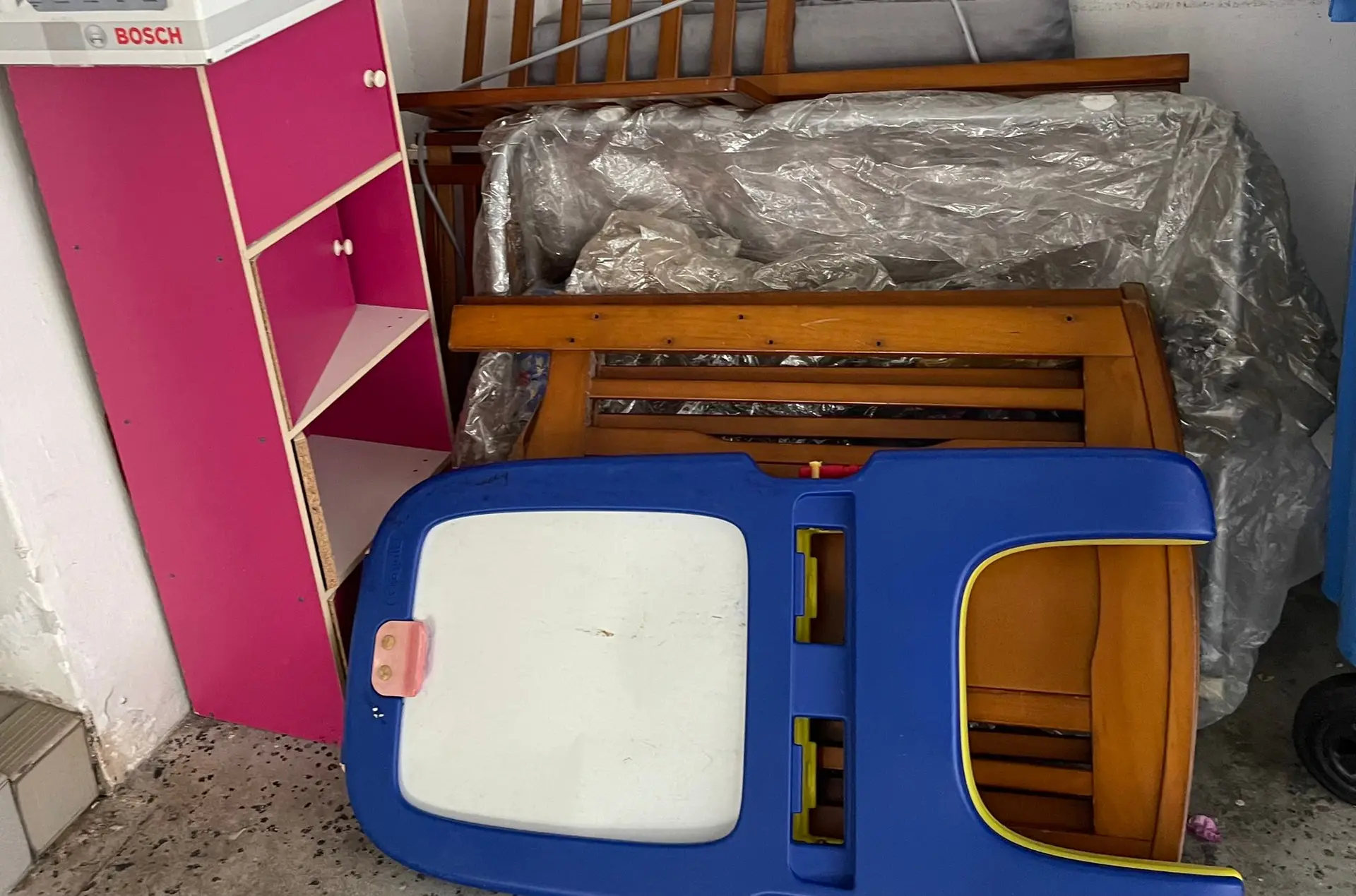
Q: Can I just leave items at my condo's bin area like I would at HDB? No. Most MCSTs prohibit residents from dumping bulky items at the bin centre. You'll likely receive a fine or a strongly worded notice. Bulky disposal in private developments needs to be arranged properly — either through your management's approved process or via a professional removal service.
Q: Do I need to be home during the removal? For HDB, if you've already staged items at the void deck, no. For condos, someone typically needs to be present to facilitate access — security clearance, service lift operation, and unit access all require the resident or an authorised representative on-site.
Q: Is weekend disposal possible for condos with strict weekday-only rules? It depends on your specific MCST. Some allow Saturday mornings. Some don't. Check with your management first. On our end, surcharges may apply for after-hours, Sundays, or public holidays — confirmed at quote stage.
Skip the Guesswork
Whether you're clearing out of an HDB flat or navigating your condo's MCST requirements, we handle the heavy lifting — literally. If it's the HDB side you're sorting, our fast HDB clearance service skips the dismantle-it-yourself routine of town council collection. Send us photos of what needs to go, tell us your building type, and we'll give you a free quote that accounts for the actual logistics of your specific situation.
WhatsApp us at 9730 4047 with photos and your building type. We'll confirm what you need to arrange on your end and what we handle on ours. No guessing, no surprises at the door.