Tenant Move-Out Disposal Obligations in Singapore: What You Must Remove to Protect Your Deposit
By Junk Express Team
Your Lease Is Ending. Do You Know What You're Legally Required to Remove?
Here's a scenario we see play out every single month: a tenant returns the keys, walks away from the unit, and three weeks later discovers the landlord has deducted a substantial sum from their security deposit for "disposal of items left behind."
If you're working against a delivery or move-out deadline, residential team prioritises same-day and urgent slots — send photos, location, and the time you need to be done by.
The tenant is furious. The landlord is within their rights. And the items in question? A sectional sofa, a shoe rack from IKEA, and two bar stools the tenant assumed "came with the place."
In our 10+ years clearing Singapore rental units after tenancies end — HDB flats, condos, landed properties — we've seen this exact dispute hundreds of times. The rules aren't complicated. But most tenants don't read their tenancy agreement closely enough until it's too late.
Why This Matters More Than You Think
Most Singapore tenancy agreements contain a reinstatement clause. The language varies, but the obligation is consistent: return the unit in its original condition, minus fair wear and tear. That means every item you brought in must go out with you.
The financial risk is real. When a landlord arranges disposal on your behalf — after you've already surrendered the keys — they're not shopping around for the best rate. They'll engage whoever is fastest, bill whatever they're charged (sometimes with a coordination markup), and deduct it straight from your deposit. You have no leverage at that point.
We've cleared units where the landlord was quoted triple what the tenant would have paid if they'd arranged removal themselves, even a day before handover.
What Must Go: The Inventory List Is Your Bible
Every properly structured tenancy agreement includes an inventory list — a document signed at move-in that records what the landlord provided. Anything not on that list is your responsibility to remove.
This typically includes:
- All furniture you purchased — beds, sofas, dining sets, desks, bookshelves, shoe cabinets
- Appliances you brought in — portable aircon units, standalone washing machines, personal fridges
- Modifications you made — wall-mounted shelves (unless the landlord agrees in writing to keep them), curtain rods you installed, adhesive hooks that damaged paint
- Personal storage and sundries — boxes in the bomb shelter, items on the balcony, anything in the storeroom
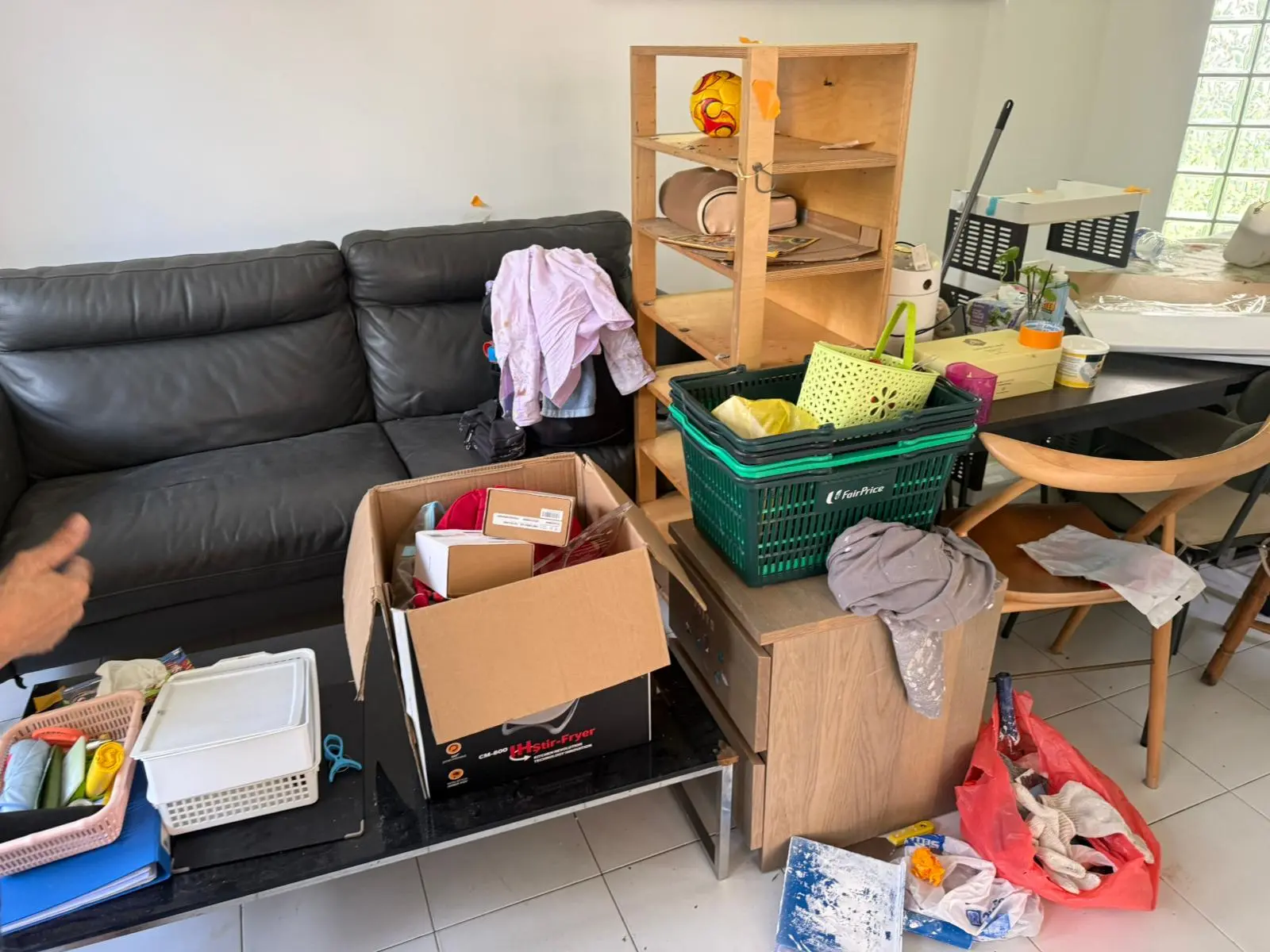
That sectional sofa you bought for the living room? It's yours. And if it doesn't fit back through the door in one piece, you need to arrange dismantling and removal — not leave it for the landlord to deal with.
What Can Stay: Landlord's Fixtures
Items on the inventory list — the landlord's aircon units, built-in wardrobes, provided curtains, the existing fridge — stay. Don't remove those, or you'll face a different kind of deduction.
The grey area? Items you're genuinely unsure about. A ceiling fan you replaced. A towel rack you upgraded. Our advice from years of watching these disputes: ask in writing, at least two weeks before handover. A WhatsApp message to your landlord or agent confirming "I'll leave the new ceiling fan — please confirm this is acceptable" protects you.
HDB vs Condo: Different Buildings, Different Logistics
HDB flats
If you're clearing furniture from an HDB unit, you're working with the standard passenger lift and the common corridor. There's no service lift. Large items like king-size bed frames or L-shaped sofas need to be partially dismantled to fit. The town council won't collect assembled bulky items for you — they require items to be broken down first, and collection runs on their schedule, not yours.
For tenants on a tight handover timeline, that's rarely practical.
Condos and private apartments
Condo clearances involve a different set of constraints. Most MCSTs require advance booking of the service lift, and some mandate lift padding for furniture moves. Here's what you need to know: you (the tenant or owner) must arrange this with building management directly. Book early — service lift slots fill up fast at month-end, and if you miss your window, you're stuck waiting.
Some condos restrict disposal activities to specific hours. Others require a refundable deposit for use of common areas during a move-out. Check with your management office at least a week ahead.
Common Mistakes We've Seen Over 10+ Years
1. Assuming the next tenant wants your stuff. "The new tenant can just use the sofa." Maybe. But unless your landlord explicitly agrees — in writing — to pass items to the next occupant, you're liable. We've cleared units where the incoming tenant rejected everything the previous tenant left behind.
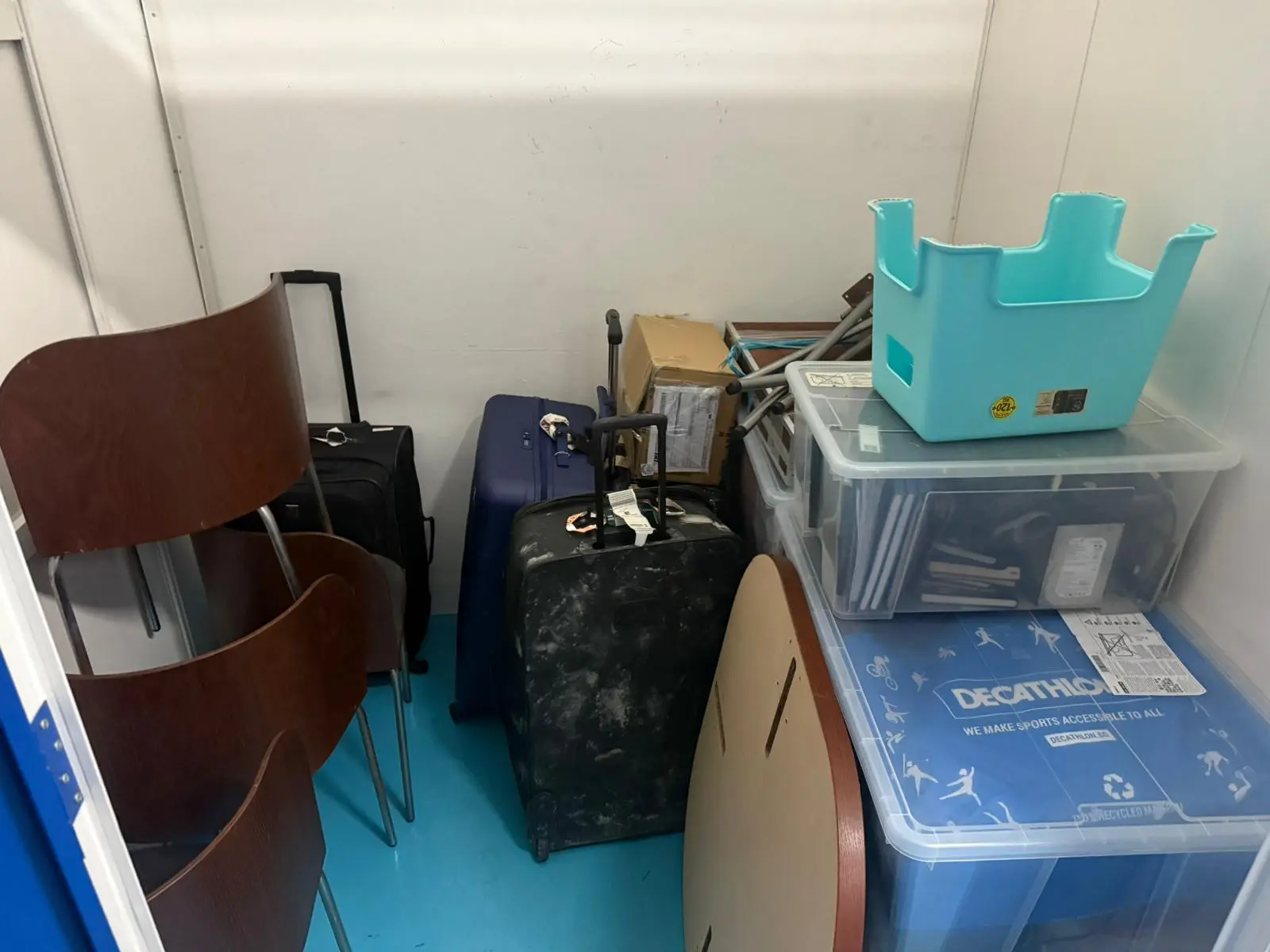
2. Leaving items in the bomb shelter or storeroom. Out of sight, not out of mind. Landlords check every space during the final inspection. That stack of boxes you forgot about? Disposal charge.
3. Waiting until the last day. Move-out day is chaotic. Movers are handling your keep-items. You're cleaning. The agent is doing the inspection at 5pm. Trying to arrange junk removal on the same day — with no prior booking — puts you at the mercy of whoever happens to be available. Plan disposal separately, ideally a day or two before handover.
4. Not photographing the empty unit. After everything is cleared, photograph every room. Timestamp matters. This is your evidence that the unit was returned empty and clean.
Frequently Asked Questions
Can my landlord charge me more than the actual disposal cost?
Technically, most tenancy agreements allow the landlord to deduct "reasonable costs" for reinstatement. What's "reasonable" is subjective. Some landlords add an admin or coordination fee. The simplest way to avoid this entirely: handle disposal yourself before returning keys.
What if I disagree with the landlord's deduction after the fact?
You can dispute it, but your leverage is minimal once keys are returned. The Small Claims Tribunal handles tenancy deposit disputes, but the process takes time and the outcome isn't guaranteed — especially if your tenancy agreement clearly states reinstatement obligations. Prevention is cheaper than litigation.
Do I need to patch nail holes and repaint walls?
This depends on your specific tenancy agreement. Many agreements distinguish between "fair wear and tear" (minor scuff marks, small nail holes) and "damage" (large anchor holes, paint stains, removed fixtures leaving visible gaps). When in doubt, check your clause on reinstatement — some require professional repainting at the tenant's cost regardless.
Don't Let Disposal Become a Deposit Deduction
The math is simple. Arrange your own removal before handover: you control the cost and the timing. Leave it for the landlord: you lose control of both.
In our 10+ years operating across every district in Singapore, we've handled countless end-of-tenancy clearances — from a single mattress in a Clementi rental to full three-bedroom condo strip-outs the day before inspection. When handover is hours away, our last-minute move-out clearance gets the unit empty before the keys change hands. We work to the tightest window your job allows, subject to availability. Surcharges may apply for after-hours, Sundays, public holidays, or walk-up buildings without lift access.
Ready to get a quote? Send us photos of what needs to go via WhatsApp. We'll confirm scope, timing, and cost — no obligation.
WhatsApp us at 9730 4047 for a free photo-based quote.