Battery Disposal in Singapore: What You Can (and Can't) Throw Away
By Junk Express Team
That drawer in your kitchen. You know the one — stuffed with dead AAs, a swollen laptop battery you pulled out six months ago, two old power banks, and a handful of button cells from watches nobody wears anymore.
If you're racing a lease handover, retail closure, or office decommissioning deadline, commercial decommissioning support works to your access window — send loading-bay rules and we'll plan around them.
You can't just bin them. And no, the blue recycling bin downstairs won't take them either. Singapore classifies batteries as regulated e-waste, and there are specific channels for getting rid of them safely. Here's what you actually need to know.
Why This Matters More Than You Think
Lithium-ion cells — the kind inside your phone, laptop, and portable charger — can catch fire if punctured, crushed, or exposed to heat in a compactor truck. Alkaline batteries (your standard AA and AAA) contain heavy metals that leach into soil and water if they end up in Semakau Landfill via general waste.
Since Singapore's Extended Producer Responsibility scheme for e-waste came into effect, producers and retailers have obligations around collection. That means there are now more drop-off points than ever. The problem? Most people still don't know where they are — or they assume a junk removal crew will handle loose batteries.
We won't. And here's why that's actually a good thing.
Loose Batteries: Designated Collection Points Only
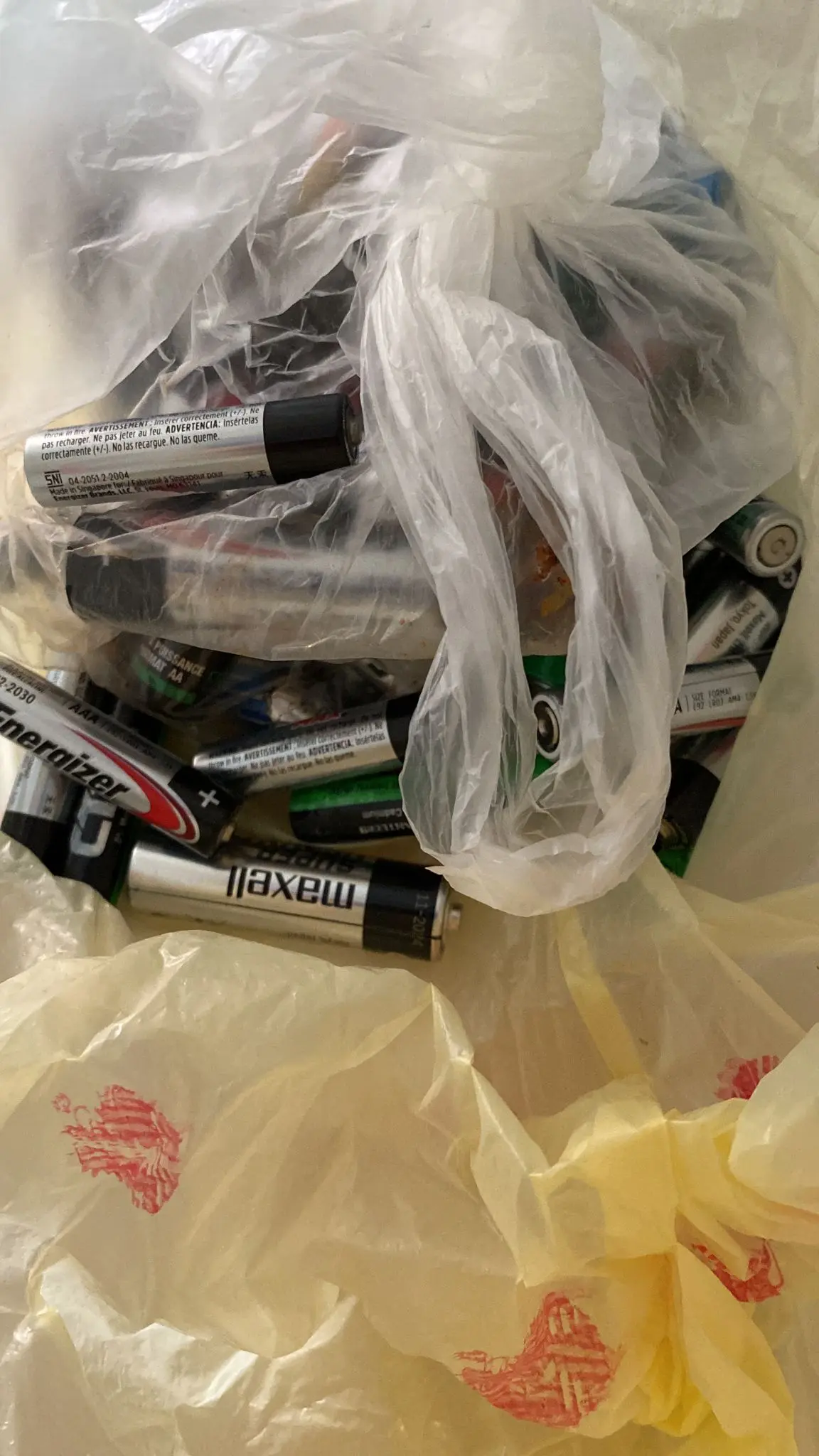
Loose household batteries — AA, AAA, button cells, 9V blocks, standalone lithium cells — must go to designated e-waste collection points. These are typically found at:
- Community recycling bins (orange/green e-waste bins) in HDB estates, CCs, and selected supermarkets
- Retail take-back counters at electronics stores and battery retailers
- E-waste collection drives run periodically by town councils and community organisations
What NOT to do:
- Don't toss them into the blue recycling bin. Those are for paper, plastic, and metal packaging — not hazardous materials.
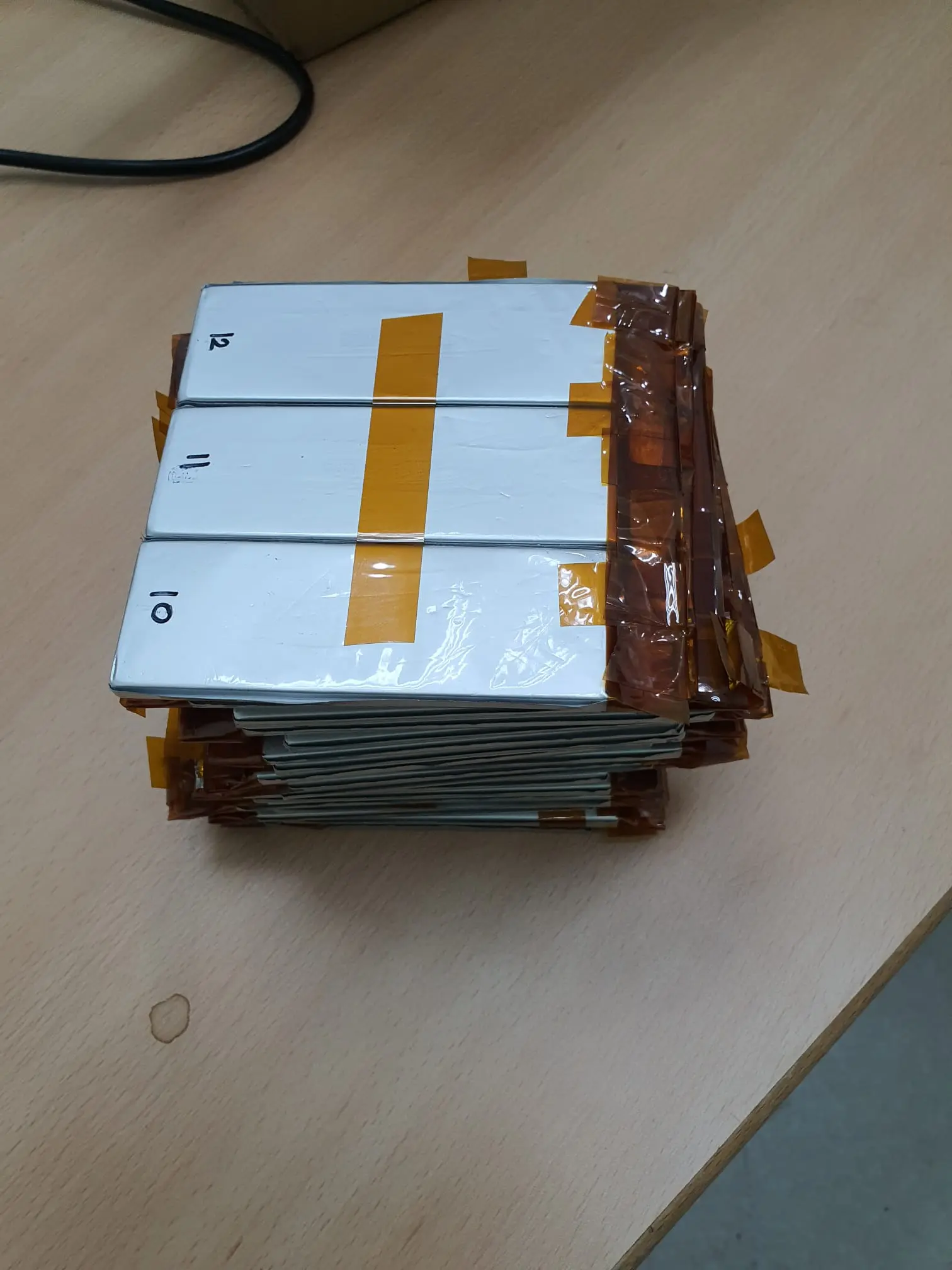
- Don't puncture or dismantle lithium cells. A punctured lithium pouch cell can undergo thermal runaway. Translation: it catches fire. Fast.
- Don't tape multiple loose batteries together and leave them in the sun while you figure out what to do. Heat accelerates degradation.
- Don't put them in your general waste chute. They end up in compactors.
This isn't something a junk removal service handles. Loose batteries require specialised collection infrastructure that routes them to proper recycling channels. No responsible operator will — or should — sweep them into a general clearance load.
Batteries Inside Devices: That's Where We Come In
Here's the distinction most people miss.
A laptop battery inside a laptop? That's e-waste as a complete device. A phone with a non-removable battery? Same. A UPS unit from your server rack with a sealed lead-acid battery inside? Also handled as a whole unit.
In our 10+ years of clearing Singaporean offices and homes, we've collected thousands of devices with batteries still inside — monitors with internal backup cells, networking equipment with lithium packs, old tablets, portable speakers, the lot. These get routed through proper recycling channels as complete e-waste units.
The key difference: the battery is contained, protected, and handled as part of the device. It's not rolling around loose in a bag.
What we regularly clear:
- Laptops, desktops, and monitors (batteries inside)
- Networking equipment and CCTV systems
- Power tools with integrated battery packs
- UPS units and backup power systems
- Phones, tablets, and portable electronics
Common Mistakes We've Seen Over the Years
"I'll just put everything in one box and label it e-waste." We've arrived at offices where someone has dumped loose AAs, swollen laptop batteries, and half-used button cells into a cardboard box alongside old keyboards. That box is a fire risk. Loose batteries need to go to collection points separately. The devices — keyboards, mice, monitors — we'll take.
"The town council will collect it with bulky items." Town councils handle bulky furniture and large items — and even then, you need to dismantle them first. They're not set up for hazardous material collection. Batteries don't fall under bulky-item pickup.
"I stored them in a plastic bag in my storeroom for two years." We've seen swollen lithium packs that have been sitting in warm HDB storerooms, slowly expanding. If a battery is visibly swollen or damaged, handle it with extra care — don't compress it — and get it to a collection point promptly.
Mini-FAQ
Q: Can Junk Express take my bag of loose AA batteries? No. Loose batteries must go to designated e-waste collection points. We handle devices with batteries inside (laptops, phones, power banks as complete units), but not bags of individual cells.
Q: What about old power banks — loose battery or device? A power bank is a complete device with an enclosed battery. We can collect these as part of a broader e-waste or general clearance job.
Q: Is there a charge for e-waste device collection? We provide a free quote based on photos of what you need cleared. E-waste devices are part of our standard clearance scope — send us pictures and we'll confirm. Surcharges may apply for after-hours jobs or walk-up buildings without lift access.
Need to Clear E-Waste Devices?
If you've got old electronics piling up — monitors, laptops, networking gear, printers — that's exactly what we handle. Send us a few photos on WhatsApp and we'll get back to you with a quote. The loose batteries in your drawer? Find your nearest orange e-waste bin. The rest, we'll sort.
WhatsApp us at 9730 4047 — snap a photo of what needs to go and we'll take it from there.