NEA E-Waste Regulations in Singapore: What the EPR Scheme Actually Requires
By Junk Express Team
You've got a dead TV leaning against your wall. Maybe an old desktop tower gathering dust in your storeroom. You've heard Singapore has e-waste laws now — something about not throwing electronics in the general bin. But what exactly are you supposed to do?
When the landlord's clock is ticking, Commercial Clearance is the lane: same-day and after-hours slots, photo quote, fast confirmation.
You're not alone in the confusion. In our 10+ years of clearing homes and offices across Singapore, we've watched the regulatory landscape shift significantly. The introduction of the Extended Producer Responsibility (EPR) framework changed how e-waste moves through the system — but most people still don't understand what it actually requires of them.
Let's fix that.
Why This Matters Now
Singapore's EPR scheme for e-waste took effect on 1 July 2021. It's not a suggestion. It's law.
The framework was introduced because Singapore generates roughly 60,000 tonnes of e-waste annually — and our recycling rate for it has historically been low. The goal: ensure that electronics containing hazardous materials like mercury, lead, and cadmium don't end up in Semakau Landfill or, worse, contaminate incineration ash.
For businesses, the stakes are higher. Improper disposal of regulated e-waste can result in enforcement action. For households, the practical concern is simpler: you now have designated channels you're expected to use, and the old habit of leaving a broken monitor at the void deck doesn't cut it anymore.

What Items Are Actually Regulated?
The EPR scheme doesn't cover every gadget you own. It targets specific categories of products that contain materials requiring proper handling. Here's what falls under the regulated list:
ICT Equipment
- Laptops, desktops, tablets
- Printers and monitors
- Mobile phones
- Network and routing equipment
Large Household Appliances
- Refrigerators and freezers
- Washing machines and dryers
- Air conditioners
- Television sets (CRT, LCD, LED — all of them)
Lamps and Lighting
- Fluorescent tubes
- Compact fluorescent lamps (CFLs)
- LED lamps
Batteries
- Portable batteries (AA, AAA, button cells, lithium-ion packs)
- Batteries from electric mobility devices (PMDs, e-bikes)
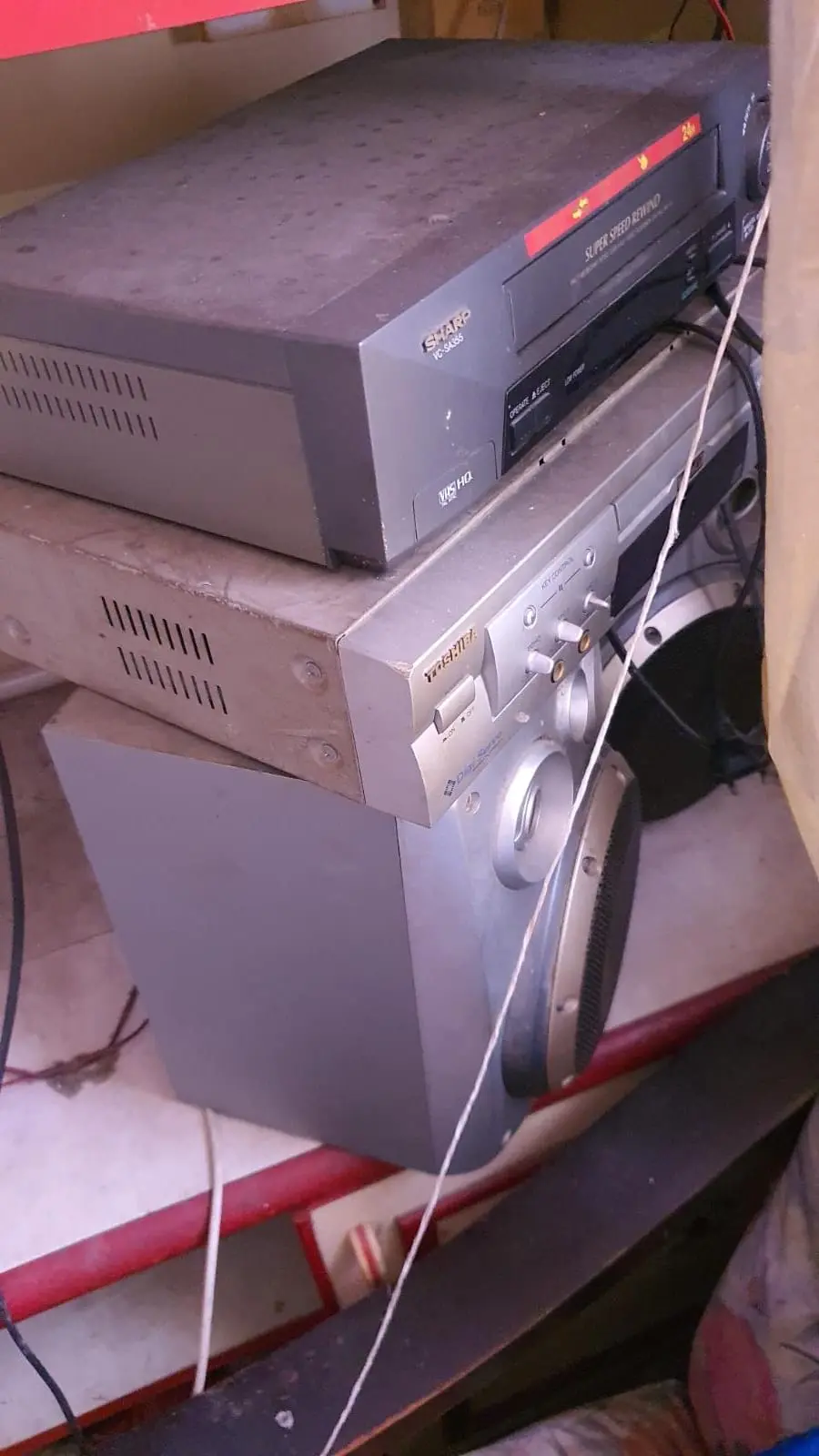
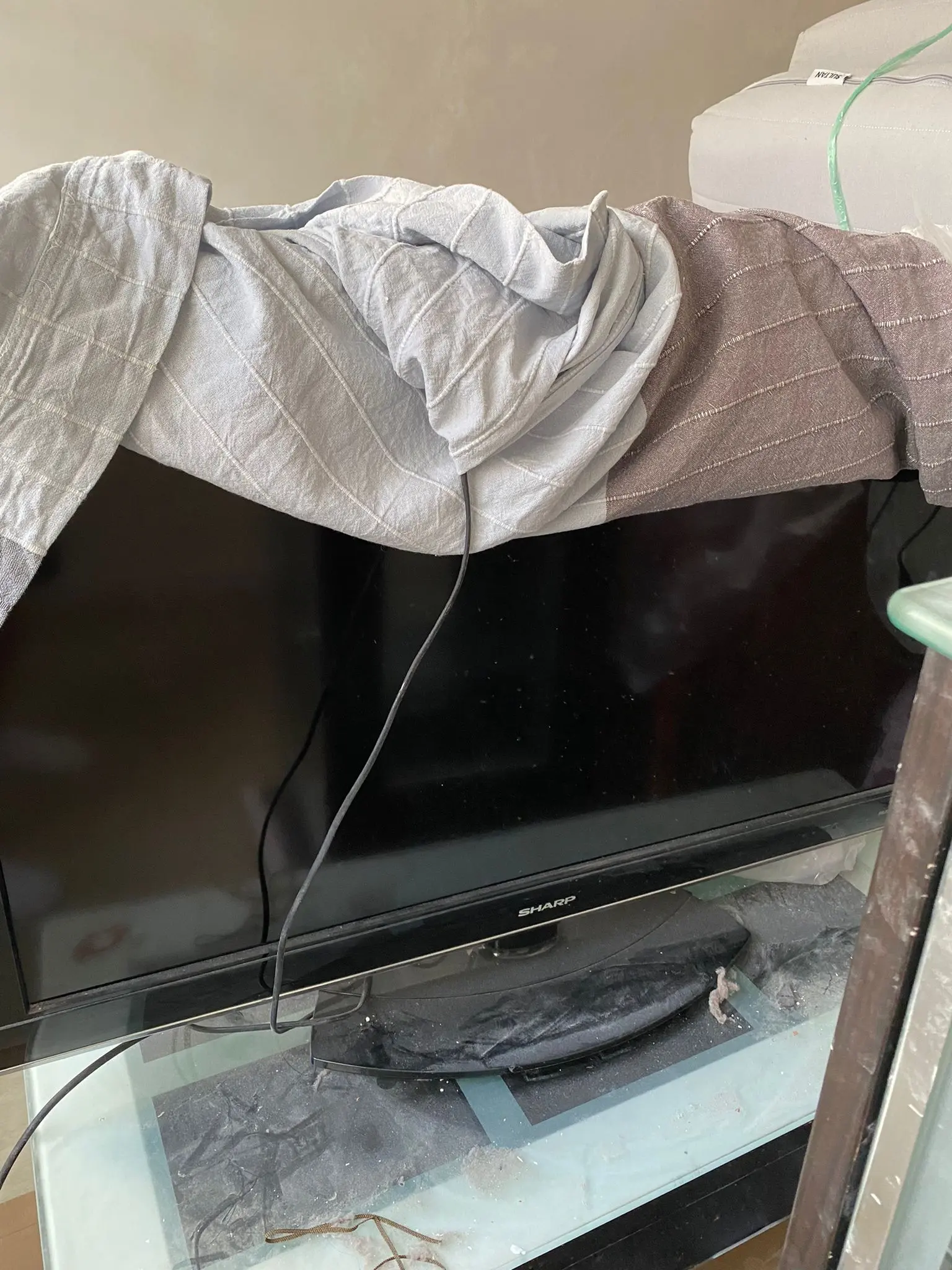
That old JVC CRT sitting in your corridor? Regulated. The flat-screen you're replacing because it developed a dead pixel strip? Also regulated. The drawer of dead AA batteries in your kitchen? Yes, those too.
Who's Actually Responsible for What?
This is where the confusion lives. The EPR framework assigns responsibility across the supply chain — but the obligations differ dramatically depending on whether you're a producer, retailer, or consumer.
Producers and Retailers
Under the scheme, producers (manufacturers and importers) bear the primary financial and operational responsibility. They must:
- Register with NEA
- Finance the collection and recycling of their products at end-of-life
- Meet collection targets set by NEA
Retailers selling regulated electronics must provide free one-for-one takeback when delivering a new product of the same type. Bought a new fridge? The retailer is obligated to take your old one at no charge upon delivery.
Consumers — What's Required of You
Here's the honest truth: the law doesn't penalise individual consumers for improper e-waste disposal the way it does producers. But the infrastructure now exists for you to do it properly, and the expectation is that you use it.
As a consumer, your responsibility is to:
- Not dispose of regulated e-waste in general waste bins — this includes your HDB bin chute and the general bins at void decks
- Use designated collection points or retailer takeback programmes
- For large items (TVs, fridges, washers) — arrange proper collection rather than abandoning them at common areas
Where Are the Public E-Waste Collection Points?
NEA's appointed Producer Responsibility Scheme (PRS) operator manages a network of collection points island-wide. These include:
- E-waste bins at community centres, selected retail stores, and government buildings — suitable for small items like phones, batteries, cables, and lamps
- Scheduled collection drives in HDB estates and community spaces
- Retailer takeback — free when you buy a replacement of the same product category
For large regulated items (TVs, fridges, washing machines, air-con units), the PRS operator offers scheduled doorstep collection. You can book this through their official channels.
The catch? Timing. Scheduled collections run on fixed routes. You might wait days or longer. And you'll need to have the item accessible — no one's coming into your flat to dismantle a wall-mounted unit or navigate a narrow corridor stacked with renovation materials.
When Professional Disposal Makes More Sense Than DIY Drop-Off
The public collection infrastructure works well for small items. A bag of dead batteries. A broken phone. A couple of fluorescent tubes. Walk to the nearest bin, drop them in. Done.
But here's what we see constantly in our work:
The large-item problem. A 65-inch TV doesn't fit in an e-waste bin. A CRT television weighs 30–40kg and has no handles. Getting a dead washing machine from your kitchen to the void deck — in an HDB flat with only a standard passenger lift — is a genuine logistics challenge for most households.
The timing problem. You're renovating. The contractor needs the space cleared by tomorrow. The PRS scheduled pickup is next week. Your building's town council bulky-item collection requires you to dismantle items first and only runs on specific days.
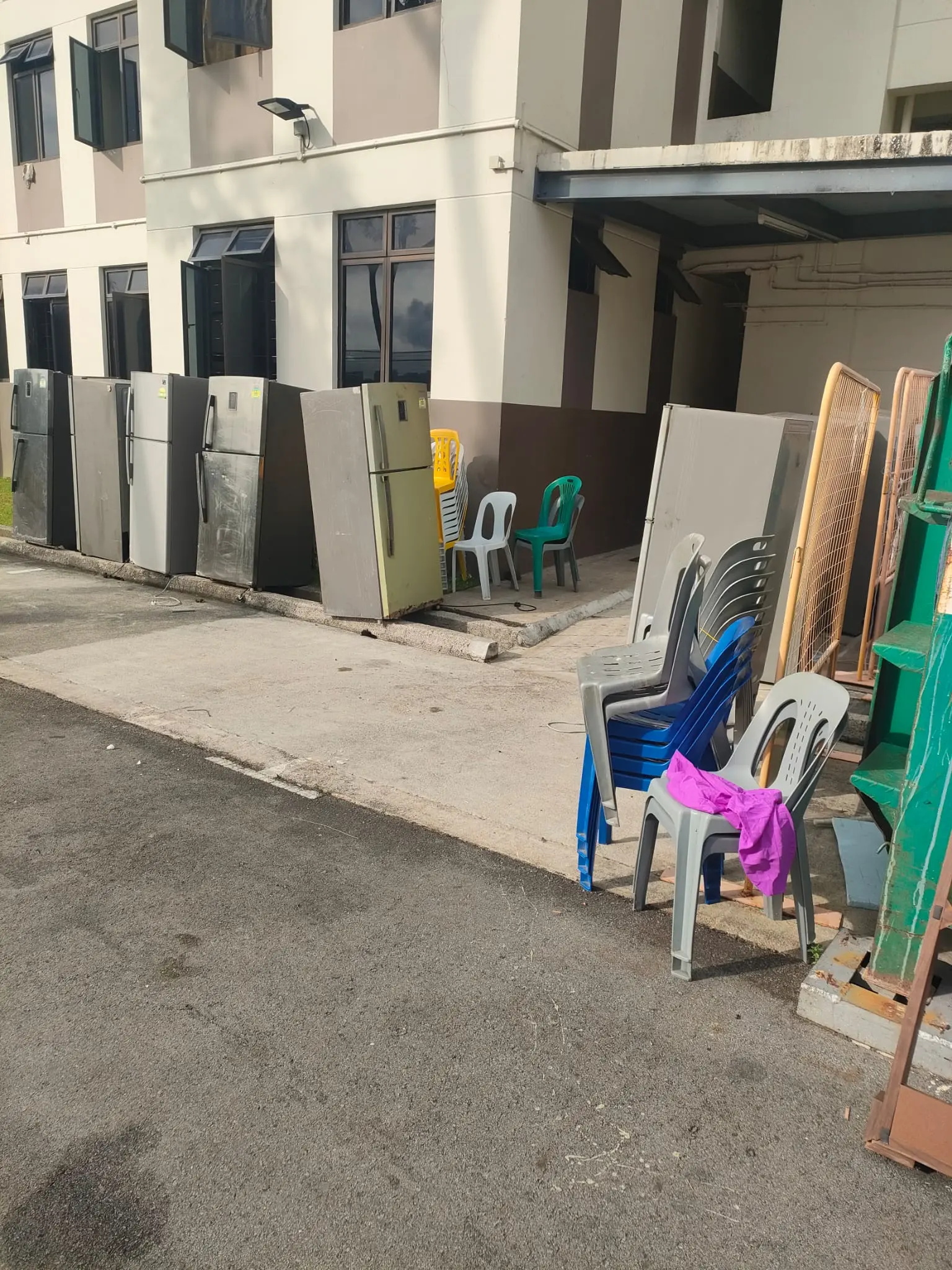
The mixed-load problem. You're not just disposing of one TV. You've got the TV, a broken printer, a box of cables, two dead monitors from your home office, and a fridge that stopped working. Coordinating multiple disposal channels — retailer takeback for one item, e-waste bin for another, PRS pickup for a third — becomes a full day's project.
The commercial problem. Offices clearing out don't have the luxury of waiting for scheduled collections. When a tenant has a handback deadline and there are 40 monitors, 15 desktops, and networking equipment across two floors, the public infrastructure simply isn't designed for that volume or urgency.
In these scenarios, engaging a professional disposal service means everything leaves in one coordinated job. Items get routed through proper recycling channels — metals recovered, hazardous components handled by licensed intermediaries, residual waste processed appropriately.
Common Mistakes We've Seen Over 10+ Years
Leaving e-waste at the void deck and assuming someone handles it. Town councils may issue fines for illegal dumping. And even if they collect it, there's no guarantee it enters a proper recycling stream.
Assuming your condo's bulk disposal area accepts e-waste. Many MCSTs have specific rules about what can be left in bin centres. Electronics often aren't welcome — especially items containing refrigerants (fridges, air-con units) which require specialist handling.
Mixing batteries with general recyclables. Lithium-ion batteries in particular are a fire hazard in waste streams. They belong in designated e-waste collection points, not your blue recycling bin.
Thinking "it still works, so it's not e-waste." If you're disposing of it — regardless of condition — it's e-waste. Working items can potentially be reused through second-hand channels, but the disposal obligation still applies if they're entering the waste stream.
Mini-FAQ
Can I just put my old laptop in the blue recycling bin?
No. The blue bins are for paper, plastic, glass, and metal recyclables — not electronics. E-waste contains components that require specialised processing. Use the designated e-waste collection bins or arrange proper pickup.
Is the retailer really obligated to take my old appliance for free?
Yes — but only on a one-for-one basis when they deliver a new product of the same category. If you're not buying a replacement, or if the retailer didn't deliver the new item, the obligation doesn't apply. You'll need to use other channels.
What happens if I have e-waste but no way to transport it to a collection point?
For large items, you can book a scheduled collection through the PRS operator's official channels. If timing is tight or you have multiple items across different categories, a professional removal service can handle the entire load in one visit and ensure items reach proper recycling channels. Surcharges may apply for after-hours or non-lift access — confirmed at quote stage.
Need E-Waste Cleared Properly — On Your Timeline?
Whether it's a single CRT from a bedroom clearout or an entire office floor of IT equipment ahead of a lease handback, we handle the logistics and ensure items are routed through responsible recycling channels via licensed intermediaries.
Send us photos of what needs to go. We'll quote it — free, no obligation.
WhatsApp us at 9730 4047 with photos of your items for a free quote.