Co-Working Space Furniture Disposal: Managing High-Turnover Clearances in Singapore
By Junk Express Team
Forty identical hot-desk chairs. All the same model, all bought the same quarter, all worn out at the same time. That's the reality of co-working furniture — it doesn't age gracefully in ones and twos. It fails in batches.
When the landlord's clock is ticking, commercial pickup flow is the lane: same-day and after-hours slots, photo quote, fast confirmation.
If you operate a shared workspace in Singapore, you already know the replacement cycle is brutal. High foot traffic, rotating members who treat furniture like it belongs to nobody (because it does), and brand standards that demand everything looks fresh. When it's time to clear a floor — whether for a refresh, a renovation, or a contraction — you're not dealing with a handful of items. You're dealing with volume, logistics, and a building full of people still trying to work next door.
Why Co-Working Clearances Are Different
Traditional offices might do a full strip-out once every five to seven years when a lease ends. Co-working spaces? We've seen operators cycle furniture every 18 to 24 months on high-traffic floors. The economics are different, the urgency is different, and the constraints are tighter.
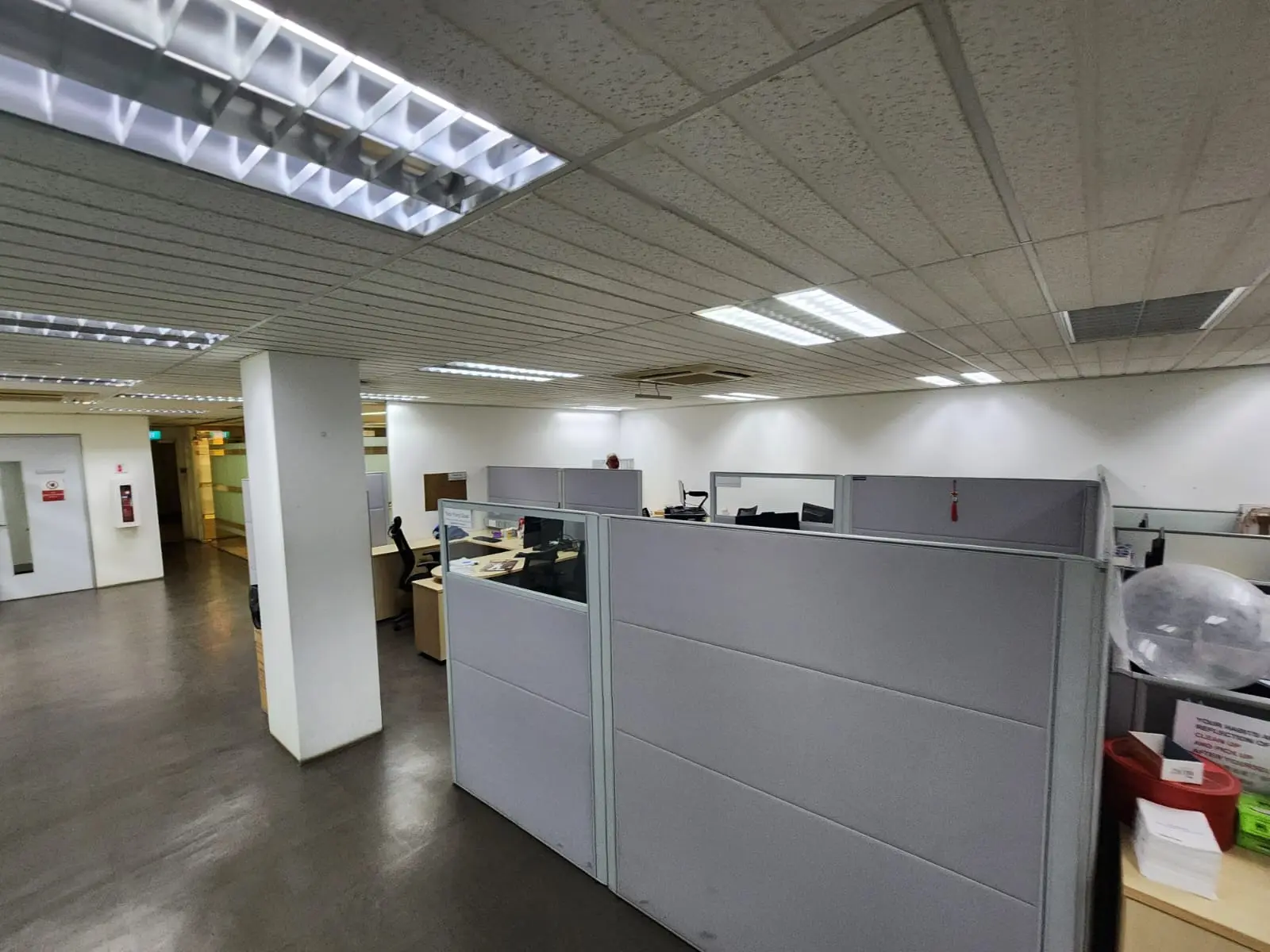
Volume of identical items. A single floor refresh might mean 60–80 task chairs, 20 standing desks, a dozen collaborative benches, and a wall of lockers. All need to go in one sweep — you can't leave half a floor empty and half furnished.
Weekend turnaround windows. Members expect to walk in Monday morning to a finished space. That gives you Friday evening to Sunday night. Sometimes less, if your building management restricts weekend access hours.
Occupied adjacent floors. This is the one that catches operators off guard. Your Level 12 is being cleared, but Levels 11 and 13 are full of tenants on calls. Noise, service lift scheduling, corridor congestion — all of it matters.
The Logistics That Make or Break a Weekend Clearance
Service Lift Access Is Everything
In commercial buildings, the service lift is your bottleneck. Most MCSTs allocate service lift slots — sometimes in two-hour blocks, sometimes half-day windows. Miss your slot, and you're waiting until the next available booking.
Here's what matters: the owner or tenant must request service lift access and any required lift padding from building management ahead of the pickup. This isn't something we arrange on your behalf. Every building has its own process — some need 48 hours' notice, some need a week. Some charge a refundable deposit for the padding.
In our 10+ years clearing commercial spaces across Singapore, the single biggest cause of delays isn't the physical work. It's operators who assume lift access is automatic. It isn't. Book it early.
Floor-by-Floor Staging
When you're clearing 80 chairs off a single floor, you don't carry them one by one to the loading bay. Efficient clearance means staging — grouping items near the service lift lobby, then running loads in rapid succession during your lift window.
This requires clear corridor space and ideally a temporary staging area on the same floor. If your co-working layout has a large meeting room or event space that's already empty, that becomes your staging zone. We plan this with you during the quoting conversation.
Keeping Adjacent Tenants Undisturbed
Nobody wants a complaint from the fintech startup on Level 11 because your clearance crew was banging furniture through the corridor during their investor call. Timing matters. Early Saturday mornings — before co-tenants arrive for weekend catch-up work — tend to be the sweet spot. We've handled multi-floor clearances in buildings where the MCST explicitly restricts noisy work to before 9am on weekends.
Communication with your building management about permitted hours is essential. Again, that's a conversation between you and your MCST — but we'll work within whatever window you've secured.
Common Mistakes We've Seen in 10+ Years
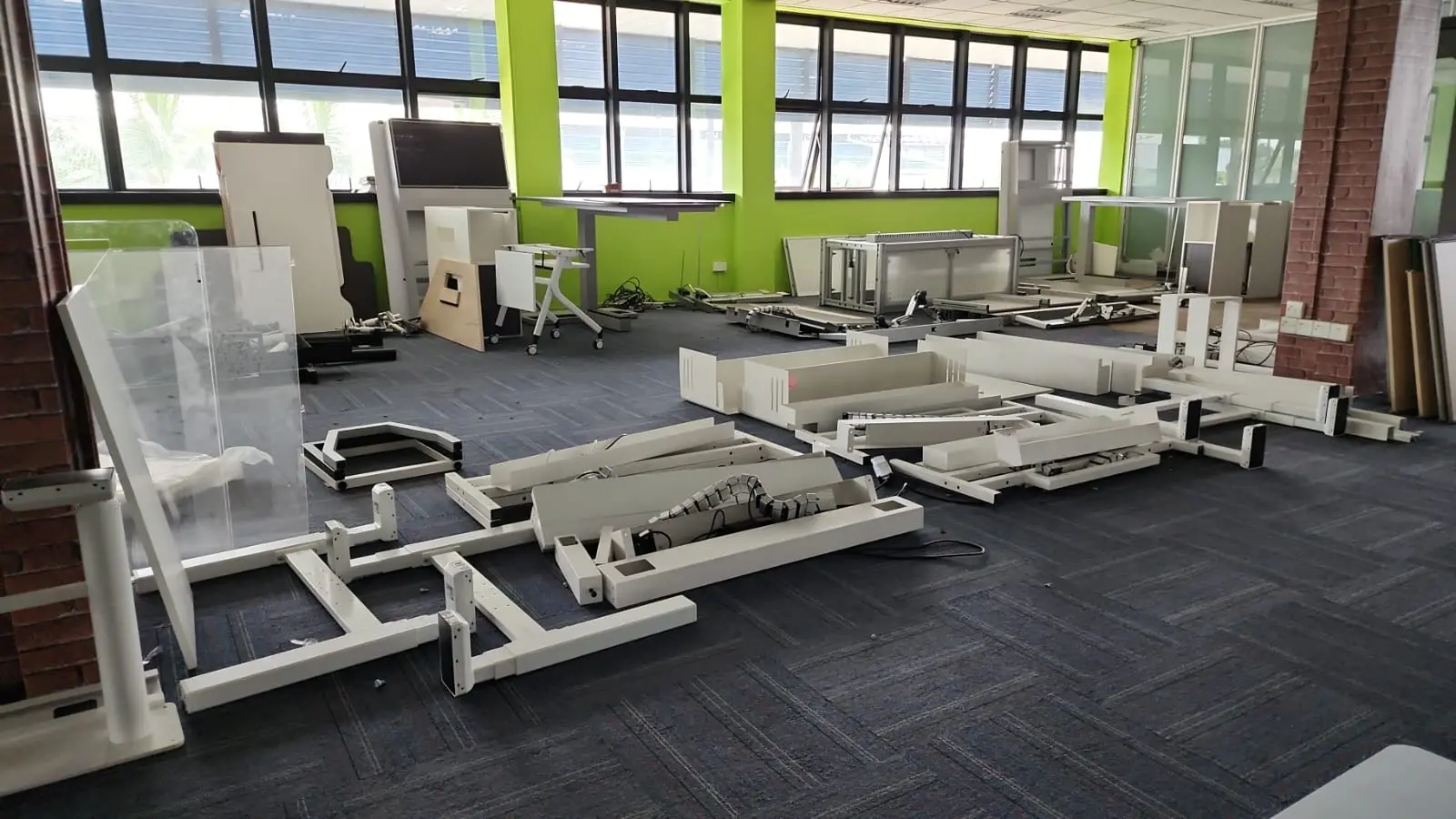
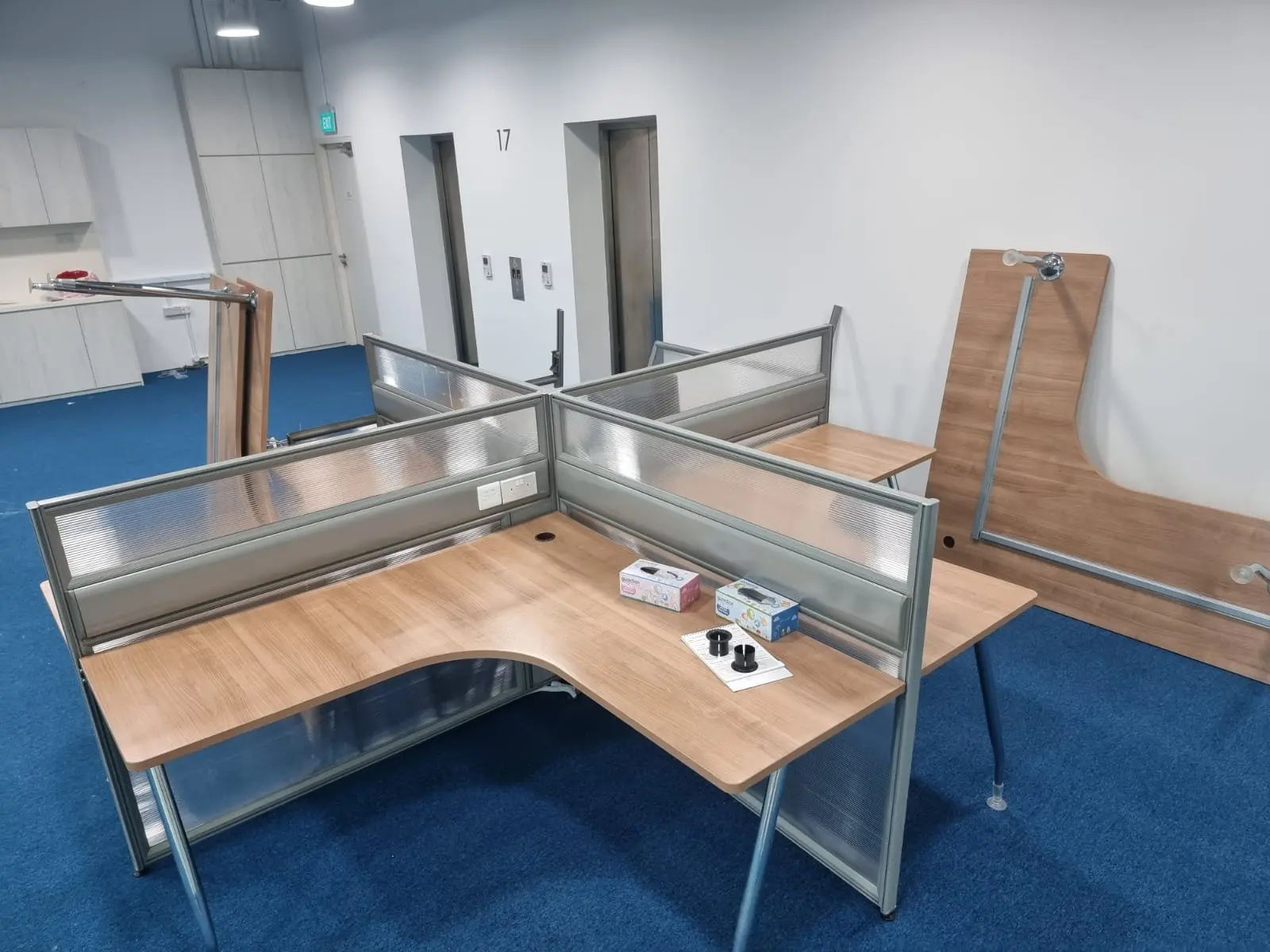
Underestimating disassembly time. Those modular workstation pods that looked sleek in the catalogue? They're bolted together in sections. Clearing them isn't just lifting — it's dismantling. Factor this into your timeline.
Assuming the loading bay is free. In multi-tenanted commercial buildings, the loading bay is shared. Other tenants have deliveries, other contractors have jobs. Your building management controls bay bookings. Confirm yours.
Leaving it to the last weekend before handback. If you're contracting a floor and returning it to the landlord, the reinstatement contractor needs a bare space. Don't schedule furniture clearance and reinstatement works for the same weekend. Clear first, then let the reinstatement crew in. We've seen operators try to overlap both — it doesn't work.
What Happens to the Furniture?
Bulk co-working furniture — particularly task chairs and laminate desktops — gets assessed for condition. Items still in usable shape get routed through reuse channels. Materials like metal frames and certain plastics go through recycling intermediaries for further sorting. The rest is disposed of through proper waste channels.
We don't make grand environmental promises. What we do is route responsibly where possible and handle the rest efficiently. No item sits in your corridor waiting for someone to figure out what to do with it.
Mini-FAQ
Q: Can you clear a full floor over a single weekend? Depends on the volume and building access constraints. A typical 50–80 item floor clearance is very achievable within a Saturday window, provided service lift access is confirmed. We'll advise on feasibility once we see photos of the scope.
Q: Do surcharges apply for weekend or after-hours clearances? Yes. Surcharges may apply for Sunday work, public holidays, and after-hours jobs. These are confirmed at the quote stage — no surprises on the day.
Q: Do we need to disassemble anything before you arrive? No. We handle dismantling of workstations, modular furniture, and cubicle systems. That's part of the job. Just make sure we have confirmed access to the space and the service lift window is booked.
Ready to Clear Your Floor?
For a full contraction or floor handback, our office decommissioning team plans the staging and lift runs around your weekend window. Send us photos of the furniture and the floor layout via WhatsApp. We'll confirm scope, timing, and any access requirements you'll need to arrange with your building management.
Quick. Clean. Done.
WhatsApp us at 9730 4047 for a free photo-based quote.