Fridge Disposal Preparation: Your Checklist Before Collection Day
By Junk Express Team
Here's a scenario we've seen more times than we can count in our 10+ years of appliance removals across Singapore: the crew arrives, the fridge is still plugged in, there's a pool of defrost water spreading across the kitchen floor, and the hallway is blocked by a shoe rack and a stack of cardboard boxes.
If you're decommissioning a workspace and the IT needs to go today, e-waste team handles workstation lots, server racks, and monitor walls on same-day windows.
Nobody's happy. The job takes longer. The floor gets wet. And in a humid Singapore flat with no ventilation in the corridor, that water isn't drying anytime soon.
This post is your preparation checklist — everything you need to do before collection day so the removal is fast, clean, and drama-free.
Why Preparation Matters More Than You Think
A fridge isn't like a coffee table. It's heavy (60–100 kg for a standard two-door unit), it's full of refrigerant lines, and — critically — it's full of moisture that will leak the moment the compressor stops running. In Singapore's climate, a fridge that's been unplugged for only two hours will still be dripping condensation from the freezer compartment.
Skip the prep, and you're looking at:
- Water damage to parquet or laminate flooring
- Foul odours from forgotten items at the back of the vegetable drawer
- Delays while the crew waits for you to empty shelves
- Potential scratches or dings if furniture is blocking the exit path
Fifteen minutes of preparation the day before saves everyone's time on the day itself.
Your Step-by-Step Prep Checklist
1. Empty All Contents (24–48 Hours Before)
This sounds obvious. It isn't always done.
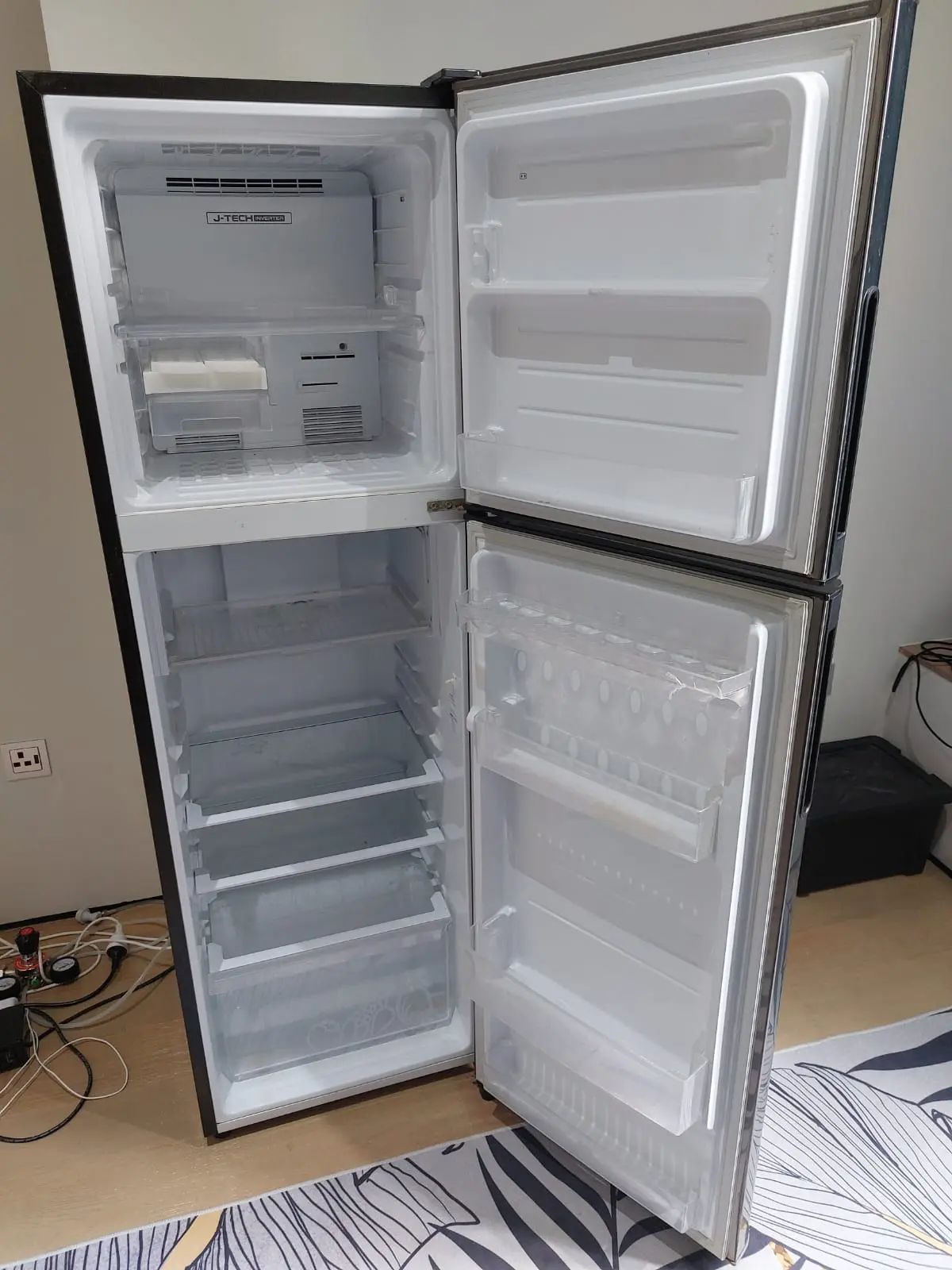
Clear every shelf, every drawer, every door compartment. Check the freezer — there's always a forgotten bag of ice or a tub of something unidentifiable wedged at the back. Remove ice trays, removable shelves, and glass panels. These are fragile and can shift during transport.
Pro tip: If you have items that are still usable, bag them separately and set them aside. Don't leave them "for the crew to sort." We're a disposal service, not a pantry organiser.
2. Unplug and Defrost (At Least 24 Hours Before)
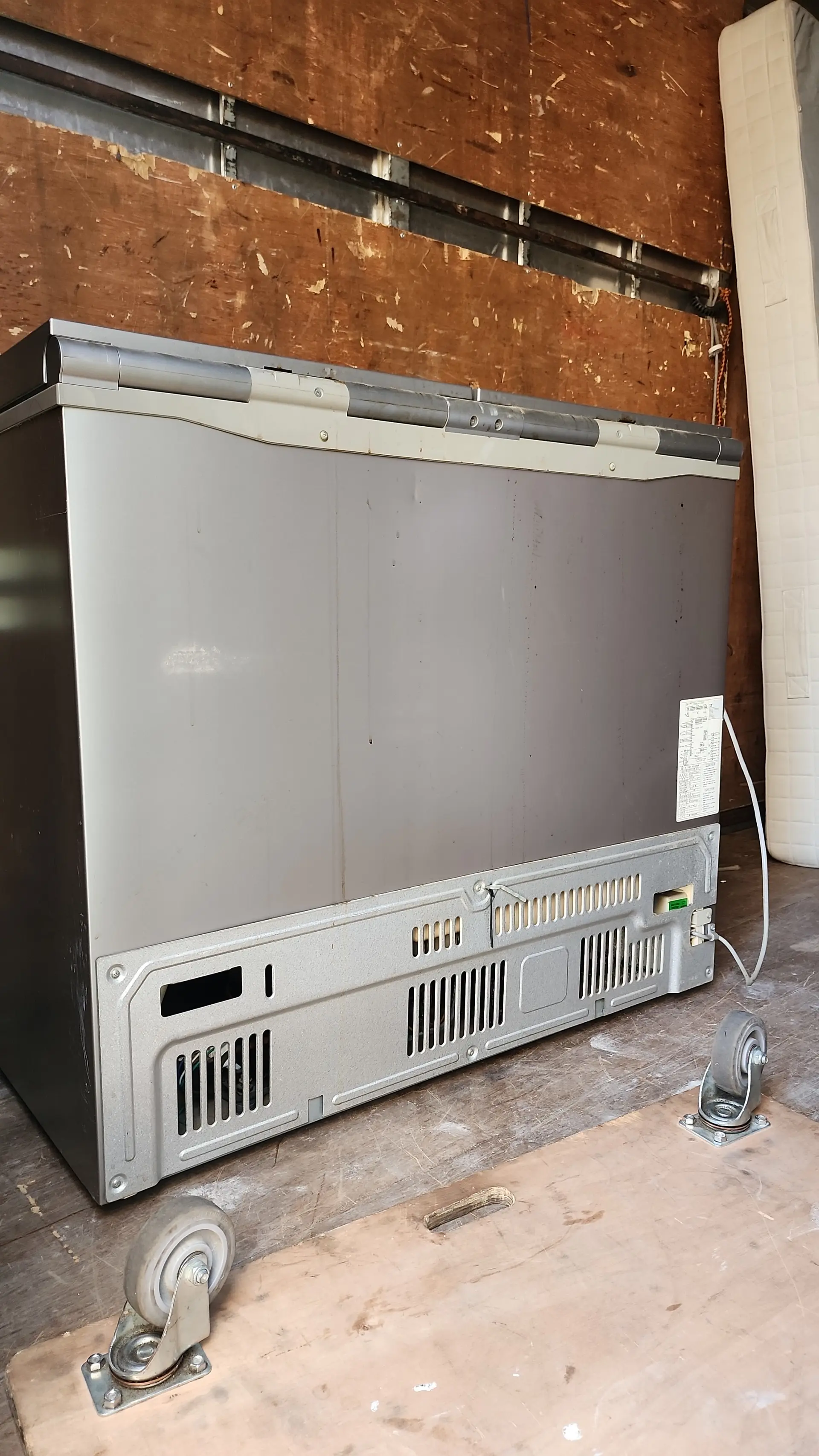
This is the single most important step. Unplug the fridge a full 24 hours before your scheduled collection. Open both the fridge and freezer doors. Place old towels or a shallow tray underneath to catch meltwater.
In Singapore's humidity, a standard fridge will release anywhere from half a litre to two litres of water during defrosting — more if the freezer has heavy ice build-up. You do not want that water releasing inside a lift or dripping down a stairwell during transport.
3. Wipe Down the Interior and Exterior
Once defrosted, give the interior a quick wipe. This isn't about aesthetics — it's about odour. A fridge that's been running for eight years accumulates smells you don't notice until it's unplugged and warming up in an enclosed space like a lift lobby or corridor.
A damp cloth with a splash of vinegar handles most of it. Pay attention to the rubber door seals where mould likes to hide.
4. Clear the Path From Kitchen to Front Door
Walk the route the fridge will travel. Every obstacle adds time and risk:
- Shoe racks in the corridor
- Dining chairs pushed out from the table
- Boxes stacked near the entrance
- Rugs or mats that can bunch up under the weight
Move anything that narrows the path. In an HDB flat, corridors are typically 900mm to 1,000mm wide — tight for a 700mm-wide fridge with two people manoeuvring it.
5. Check Your Doorway Clearance
This catches people off guard. Your fridge fit through the door when it was delivered years ago — but did the delivery crew remove the fridge doors first? Many side-by-side and French-door models are wider than a standard HDB doorframe (typically around 800–850mm).
Measure your fridge width. Measure your narrowest doorway. If it's tight, note this when you send us photos for the quote — we'll plan accordingly. Sometimes removing the fridge doors (the appliance doors, not your house doors) is the fastest solution.
HDB vs Condo: What's Different
HDB flats use standard passenger lifts. There's no dedicated service lift. This means the fridge shares the lift with your neighbours — another reason to ensure it's fully defrosted and wiped clean. Nobody wants to step into a lift with a dripping, odorous appliance.
Condos and commercial buildings typically have a service lift, but access is controlled by the MCST or building management. If your building requires booking the service lift or arranging lift padding, that's on you to sort ahead of time. We can't liaise with your management office on your behalf — every building has different rules and contact points. Get this confirmed before collection day so there's no last-minute scramble.
Common Mistakes We've Seen Over 10+ Years
"I'll just unplug it in the morning." Not enough time. You'll get a wet fridge and a wet lift. Twenty-four hours minimum.
"The fridge is empty — I checked." We've found frozen fish, ice cream tubs, and once an entire bag of frozen dumplings that the owner forgot about. Check the freezer twice.
"It'll fit through the door, it came in that way." Maybe. Or maybe the delivery crew tilted it at an angle that's not safe for a unit that's been running for a decade with worn-out hinges. Measure first.
"I'll leave the shelves inside, it's easier." Glass shelves can slide and shatter during transport. Remove them. Wrap them separately if you want to keep them, or leave them out for us to take along.
Mini-FAQ
Do I need to tape the fridge doors shut? It helps. A strip of packing tape or a bungee cord around the unit keeps the doors from swinging open in the corridor or lift. If you don't have tape, just let us know — we'll manage, but secured doors make the move smoother.
What if my fridge has a built-in water dispenser or ice maker? Disconnect the water line at least 24 hours before. Place a towel under the connection point — residual water will drip. If you're unsure how to disconnect it, leave it and flag it in your WhatsApp message so the crew comes prepared.
Does the fridge need to be moved to the door before you arrive? No. Leave it where it is. Our crew handles the full removal from its current position. Just make sure the path is clear and there's nothing blocking access around the unit itself — pull it slightly away from the wall if you can, so we can access the back without scraping your kitchen cabinetry.
Ready to Book Your Fridge Removal?
Send us a few photos on WhatsApp — the fridge itself, the path to the front door, and any tight doorways. Need it gone today? Our same-day fridge removal can often slot a single appliance in fast. We'll come back with a quote, confirm timing, and handle the rest.
WhatsApp us at 9730 4047 for a free, no-obligation quote. Surcharges may apply for walk-up buildings, after-hours, or weekend collections — we'll confirm everything upfront before you commit.
It's prepped. It's defrosted. Let's get it gone.