Fire & Flood Damage Disposal in Singapore: What to Do After the Damage Is Done
By Junk Express Team
Your flat smells like char. Or everything below knee-height is waterlogged and swelling. The SCDF crew has left. The PUB emergency team has gone. And now you're standing in a home full of belongings that are — let's be honest — ruined.
When the clock matters more than the cheapest option, Residential Disposal is built for it: WhatsApp us photos, location, deadline, and we confirm the fastest available slot.
Smoke-saturated mattresses. Warped laminate furniture bloated with floodwater. Upholstery that reeks no matter how many times you air it. Electronics that shorted out. Curtains stained black.
None of this is going out with your regular waste collection. And your town council isn't equipped to handle a full disaster clearout on short notice.
In our 10+ years clearing Singapore homes after fires and floods, we've seen the same pattern: people rush to throw things out, then realise they've destroyed evidence their insurer needed. Or they wait too long, and mould sets in within 48 hours of water exposure. There's a right sequence. Here it is.
Step One: Don't Touch Anything Until You Have Clearance
This is the part people skip — and regret.
After a fire: SCDF must release the unit before you re-enter. If the fire is under investigation (arson, electrical fault disputes), the scene may be sealed. Do not remove items until SCDF explicitly clears the premises. This isn't optional. It's a legal requirement.
After a flood: If the flooding was caused by a burst pipe in a neighbouring unit or a common riser, your MCST or town council may need to document the source before you start clearing. PUB involvement depends on whether the flooding originated from the public drainage system.
Either way: get written clearance before you move anything.
Step Two: Document Everything Before Removal
Your insurer needs evidence. Photos, videos, item lists. Once that smoke-damaged sofa leaves your flat, you can't prove it existed.
Here's what we tell every client before we arrive:
- Photograph each damaged item individually, with a wide shot showing its position in the room
- Keep receipts or purchase records if you have them
- Note serial numbers on electronics and appliances
- Take video of the overall damage — walls, ceiling, floor — for context
- Get your loss adjuster's visit scheduled before disposal if possible
We've had clients call us in a panic wanting everything gone immediately. We get it. The smell is unbearable. But we always ask: "Has your insurer signed off on removal?" If the answer is no, we'll work with your timeline — but that documentation step matters.
What's Safe to Remove — And What Isn't
Not everything in a fire- or flood-damaged unit is yours to handle. Here's the line:
We handle:
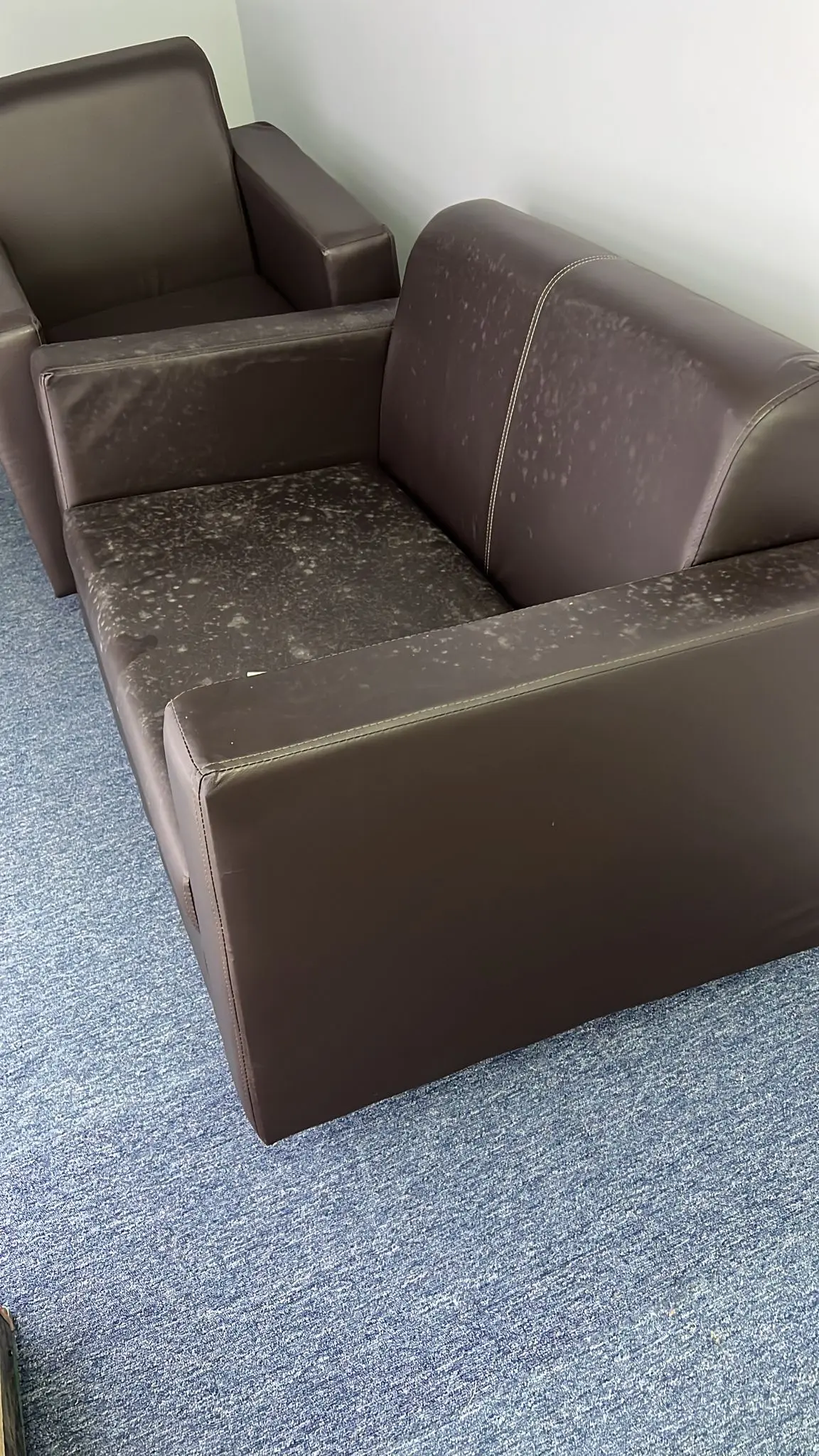
- Waterlogged mattresses, sofas, and soft furnishings
- Smoke-damaged furniture (wardrobes, tables, bed frames)
- Ruined electronics and appliances (fridges, washers, TVs)
- Warped cabinetry and shelving
- Curtains, carpets, and rugs beyond salvage
- General household items damaged beyond use
We do NOT handle:
- Structural debris (collapsed ceiling panels, load-bearing elements) — that's a licensed contractor's scope
- Asbestos-containing materials (older buildings may have this in ceiling tiles or pipe insulation)
- Chemical contamination from industrial sources
- Anything SCDF has flagged as evidence
If you're unsure whether ceiling tiles or wall panels in an older building contain asbestos, get a specialist assessment first. We won't take that risk, and neither should you.
HDB vs Condo: Different Buildings, Different Logistics
HDB flats
Most fire and flood incidents we clear are in HDB blocks. The logistics are straightforward but physical. There's no service lift — we're working with standard passenger lifts and common corridors. Waterlogged mattresses are heavy. A queen-size mattress that's absorbed floodwater can weigh three to four times its dry weight. We plan crew size accordingly.
Your town council may offer bulky-item collection, but they require items to be dismantled first and collected on scheduled days. After a disaster, you're dealing with dozens of items, many of them sodden or structurally compromised. Dismantling a waterlogged wardrobe yourself isn't practical — or safe.
Condos and commercial properties
Here's where it gets more complex. Your MCST will have rules about:
- Which lift to use for bulky removal (the service lift, typically)
- Time windows for moving large items through common areas
- Whether lift padding is required (if so, that's arranged between you and your building management)
- Disposal vehicle access to the loading bay
Important: the owner or tenant must request approval from building management ahead of our arrival. We don't liaise with your MCST on your behalf — every building has different rules, different contacts, different lead times. Get that sorted before booking the pickup, and we'll work within whatever window you've secured.
Common Mistakes We've Seen Over 10+ Years
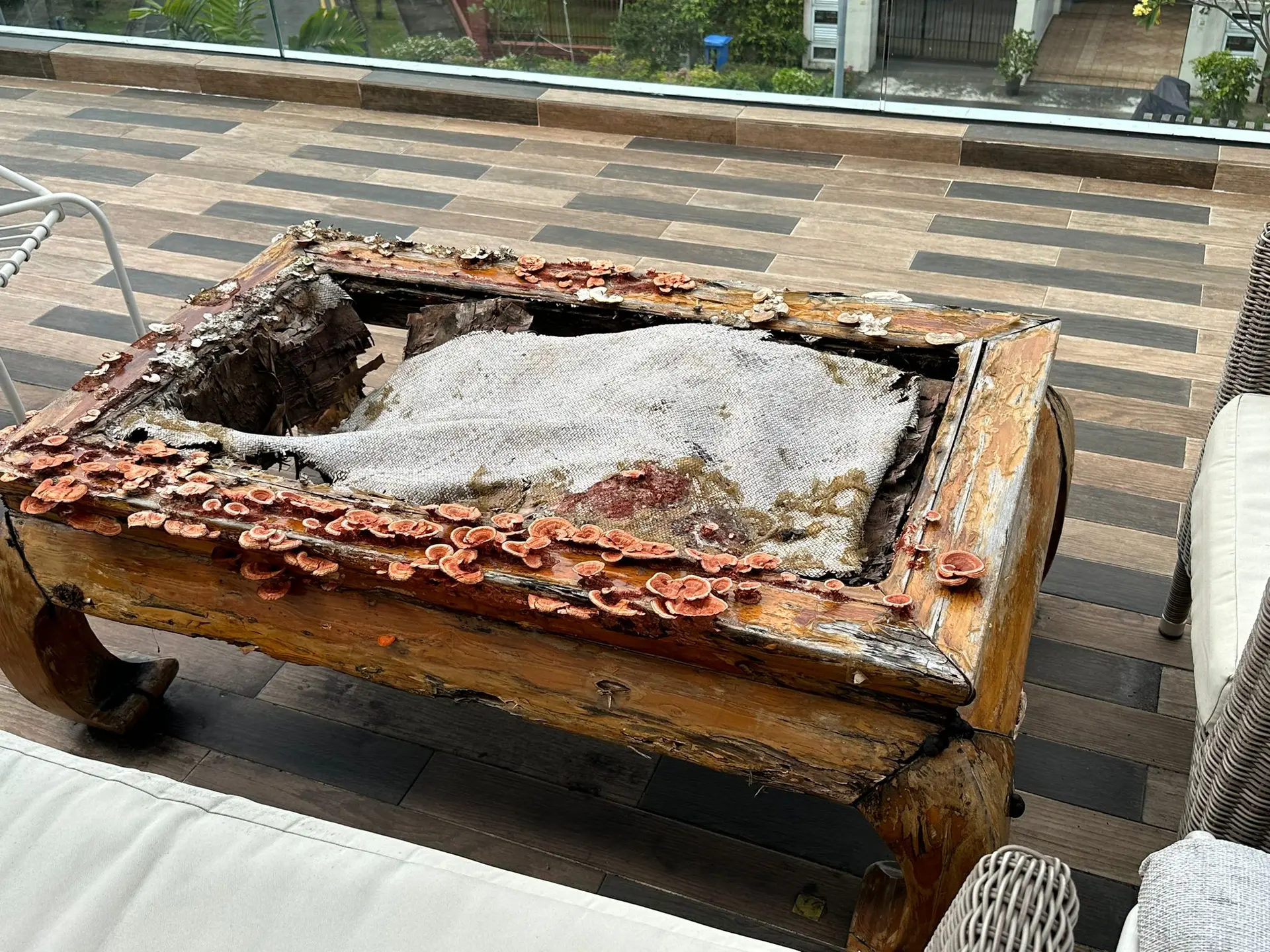
Waiting too long after flooding. Mould colonises soft furnishings within 24–72 hours in Singapore's humidity. A sofa that might have been salvageable on day one is a biohazard by day four. If your insurer has documented it, get it out.
Throwing out items that could support your claim. We've arrived at jobs where the client binned half their damaged goods the night before, then the loss adjuster asked for physical evidence the next morning. Document first. Always.
Assuming everything goes to the same place. Damaged electronics need to go through proper recycling channels — not into general waste. Waterlogged fridges still contain refrigerant. Smoke-damaged monitors still have components that require responsible routing through licensed intermediaries. We sort and route accordingly.
Underestimating the volume. A three-room HDB flat after a kitchen fire doesn't just produce the burnt items. Smoke permeates everything. Soft furnishings two rooms away absorb the smell permanently. Clients often start with "just the kitchen stuff" and end up clearing 80% of the flat.
Mini-FAQ
Q: Can I dispose of fire-damaged items through my town council's bulky waste collection?
Technically, yes — if you dismantle them first and wait for the scheduled collection day. But after a fire or flood, you're typically dealing with a volume and urgency that the TC schedule can't accommodate. Waterlogged items left in corridors become a hygiene issue fast, and your neighbours (and town council) won't appreciate the wait.
Q: How quickly can you come after I get clearance?
We work to the tightest window your job allows, subject to availability. Disaster clearouts are time-sensitive and we treat them accordingly. Surcharges may apply for after-hours, Sundays, or public holiday pickups — we'll confirm everything at the quote stage. Typically we need 24–48 hours' notice for scheduling, but reach out and we'll see what's possible.
Q: Do I need to sort or separate items before you arrive?
No. That's our job. Send us photos via WhatsApp showing the scope of what needs to go, and we'll plan crew size, vehicle type, and routing. We operate vans, lorries, and larger trucks depending on volume. You don't need to bag, box, or organise anything — just make sure access is clear and any building-management approvals are in place.
Ready to Clear the Damage?
If you've got clearance from SCDF or your insurer and you need damaged items gone, reach out. Because mould moves fast after water exposure, our emergency debris and damage clearance is set up for the rapid turnaround a disaster job needs. Send photos of what needs removing — the more detail, the faster we can quote.
WhatsApp us at 9730 4047 for a free photo-based quote.
No prices on this page — every disaster job is different in scope, access, and urgency. We'll give you a clear number after seeing what you're dealing with.